Research Journal / Articles
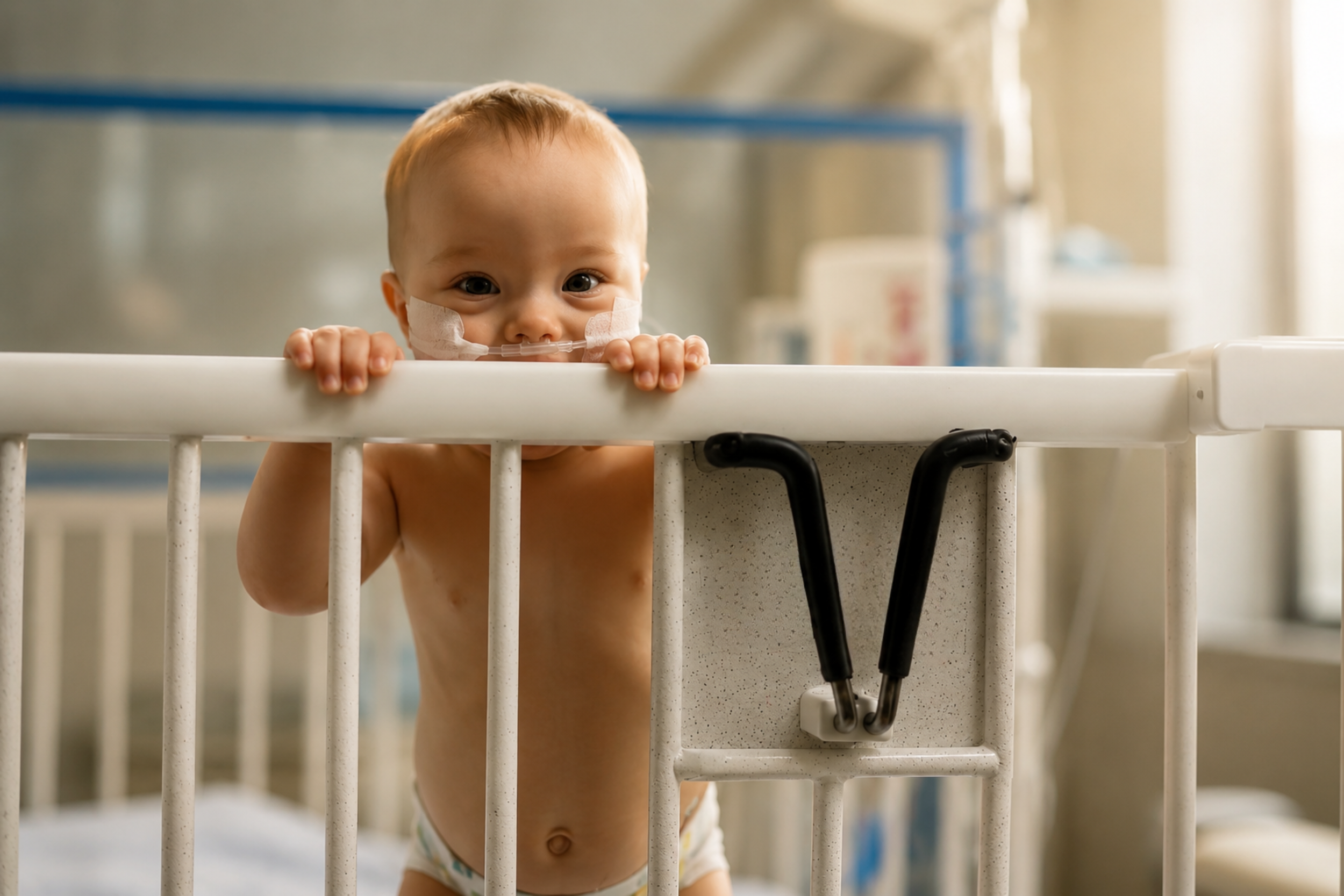
The Child I Didn't Know I Needed
Sometimes the child we think we want isn't the child we need. This deeply personal reflection shares the fears, expectations, and assumptions the author carried into her fourth pregnancy—and how meeting her son, who was born with Down syndrome, completely transformed her understanding of joy, gratitude, and unconditional love. This is a story about letting go of the life you imagined to embrace the one that was waiting for you all along.

The Lens of Logic & the Lens of Fear
Can two people hear the exact same information and walk away with completely different understandings?
When a prenatal Down syndrome diagnosis is delivered, healthcare providers often communicate through a lens of logic—focusing on facts, probabilities, and medical information. Parents, however, may be receiving that same information through a lens of fear, uncertainty, and grief.
In this article, I explore how these competing lenses shape diagnosis experiences, why fear can transform possibilities into certainties, and how adding a tint of compassion to logic—and a tint of hope to fear—may help families better navigate The Space Between.
The Unique Power of Genetic Proof
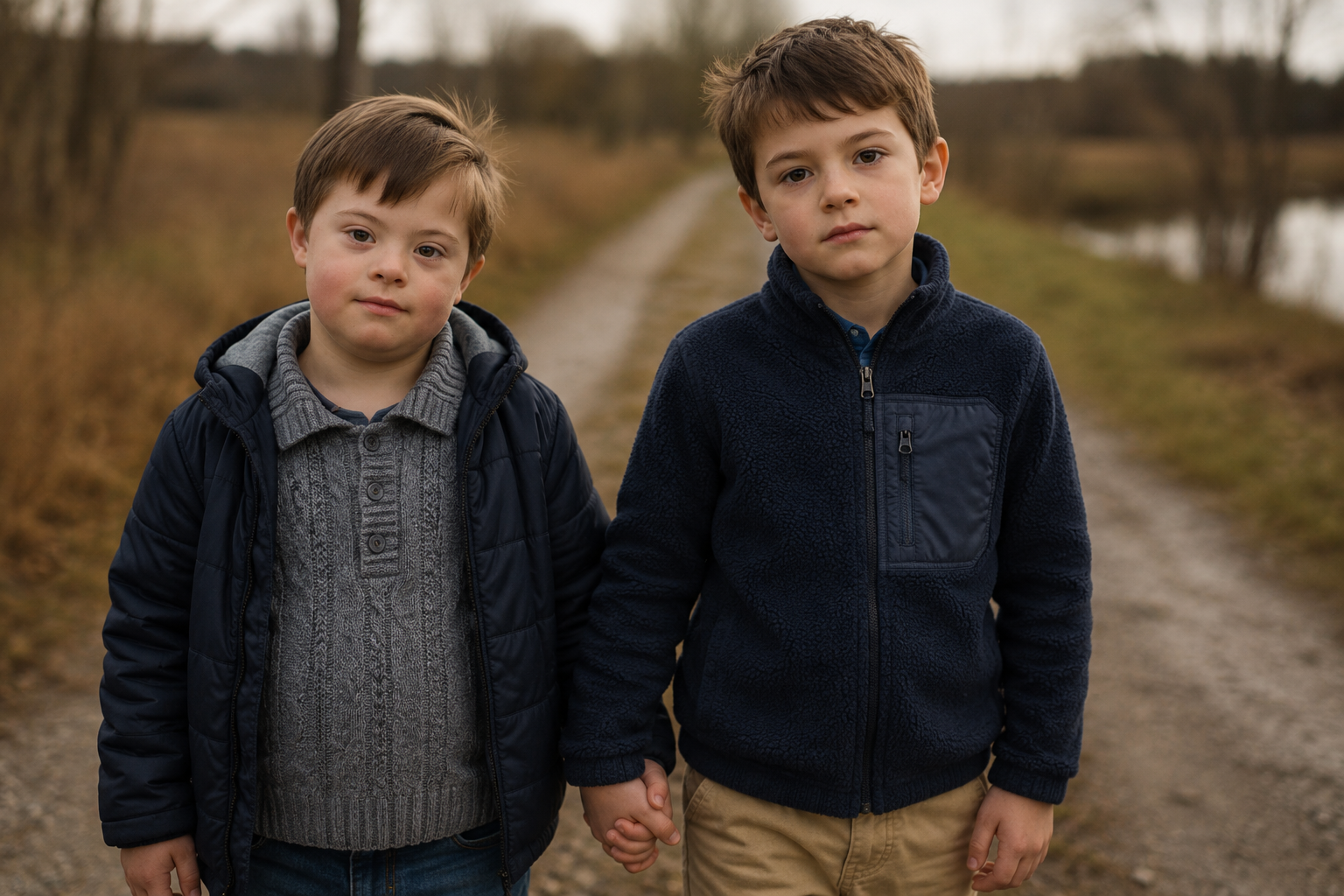
When my oldest son was diagnosed with autism, I entered a world filled with questions, differing opinions, and countless perspectives on what a diagnosis meant. Years later, when my son with Down syndrome was born, I entered a community that felt remarkably different—close-knit, united, and deeply connected.
At first, I assumed that connection came from shared challenges. Over time, I began to wonder if something else was at play.
Could genetic certainty change the way families process a diagnosis? Could the undeniable reality of an extra chromosome create a shared starting point that fosters acceptance, connection, advocacy, and community?
This article explores a question I can't stop thinking about: What happens when a diagnosis leaves no room for doubt?
The Risks We Can See & the Risks We Cannot
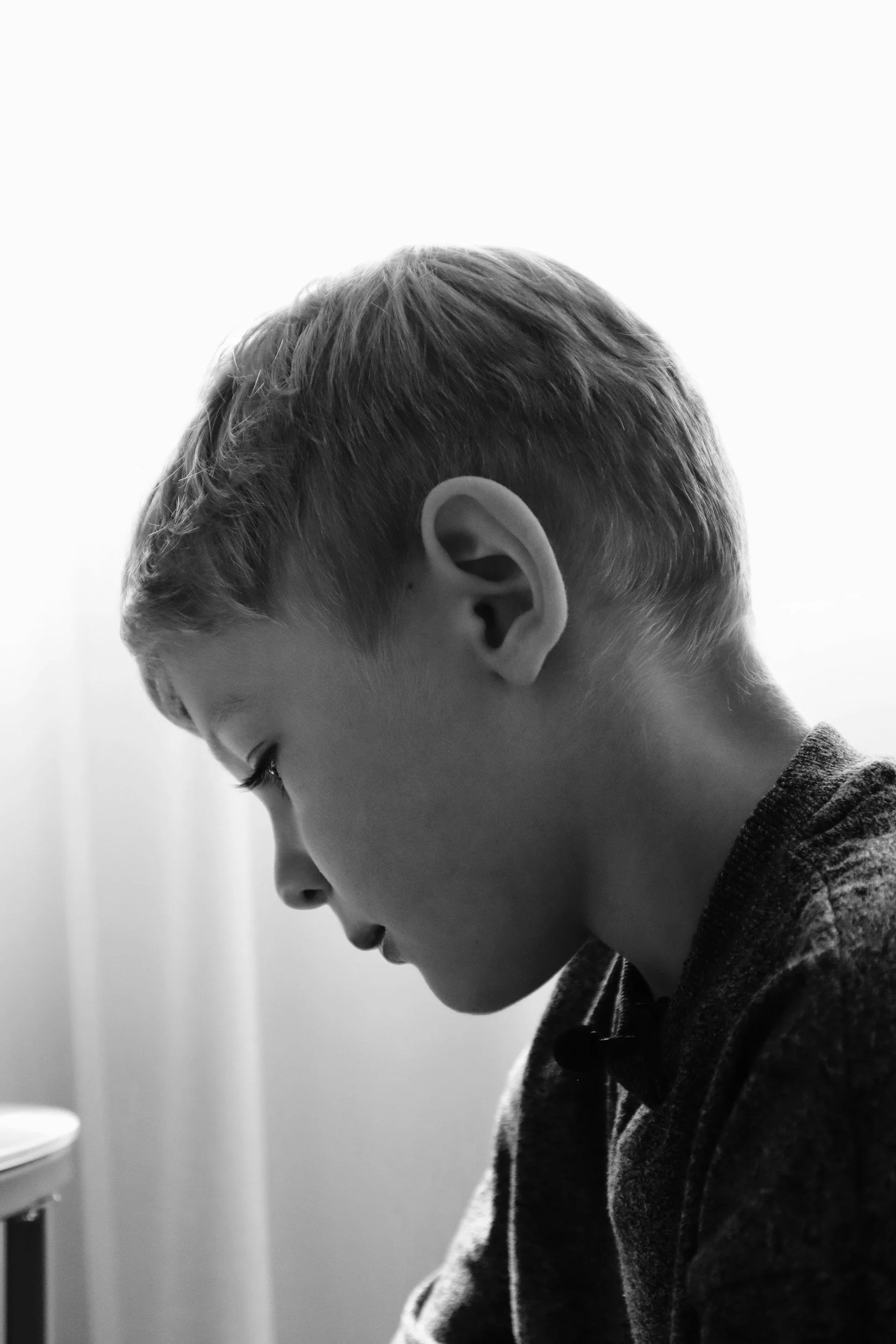
When I received my son's Down syndrome diagnosis, I was handed a list of risks. Heart defects. Developmental delays. Medical complications. Suddenly, I could see everything that might go wrong.
What I couldn't see were the countless challenges, gifts, joys, and opportunities that no prenatal test could ever predict.
In this article, I explore the difference between the risks we can see and the risks we cannot—and why every parent, regardless of diagnosis, is ultimately stepping into the same uncertainty: the unknown future of a child they have not yet met.

Positive NIPT for Down Syndrome: A Plain-English Guide for Terrified Parents
A positive NIPT result can feel like the ground has disappeared beneath your feet. In the hours and days that follow, many parents find themselves searching the internet for answers—only to be met with medical jargon, confusing statistics, and worst-case scenarios. This article breaks down the most common information parents encounter after a positive NIPT result and translates it into plain English. If you're overwhelmed, scared, and trying to make sense of what comes next, this guide is for you. More importantly, it's written by someone who has been there and understands what it's like to search for certainty when all you can find is fear.

The First-Time Parent Paradox: Why a Down Syndrome Diagnosis May Feel Different When You've Never Been a Parent Before
What happens when a Down syndrome diagnosis arrives before you've ever changed a diaper, soothed a crying baby, or experienced the realities of parenthood? For many first-time parents, the diagnosis collides with a future they haven't yet had the chance to understand. In this article, we explore the First-Time Parent Paradox—the unique fears, uncertainties, and expectations that shape diagnosis experiences for new parents and why those fears may not tell the whole story.
Sibling & Family Relationships: Understanding the Weight of the Word "Burden" & Down Syndrome
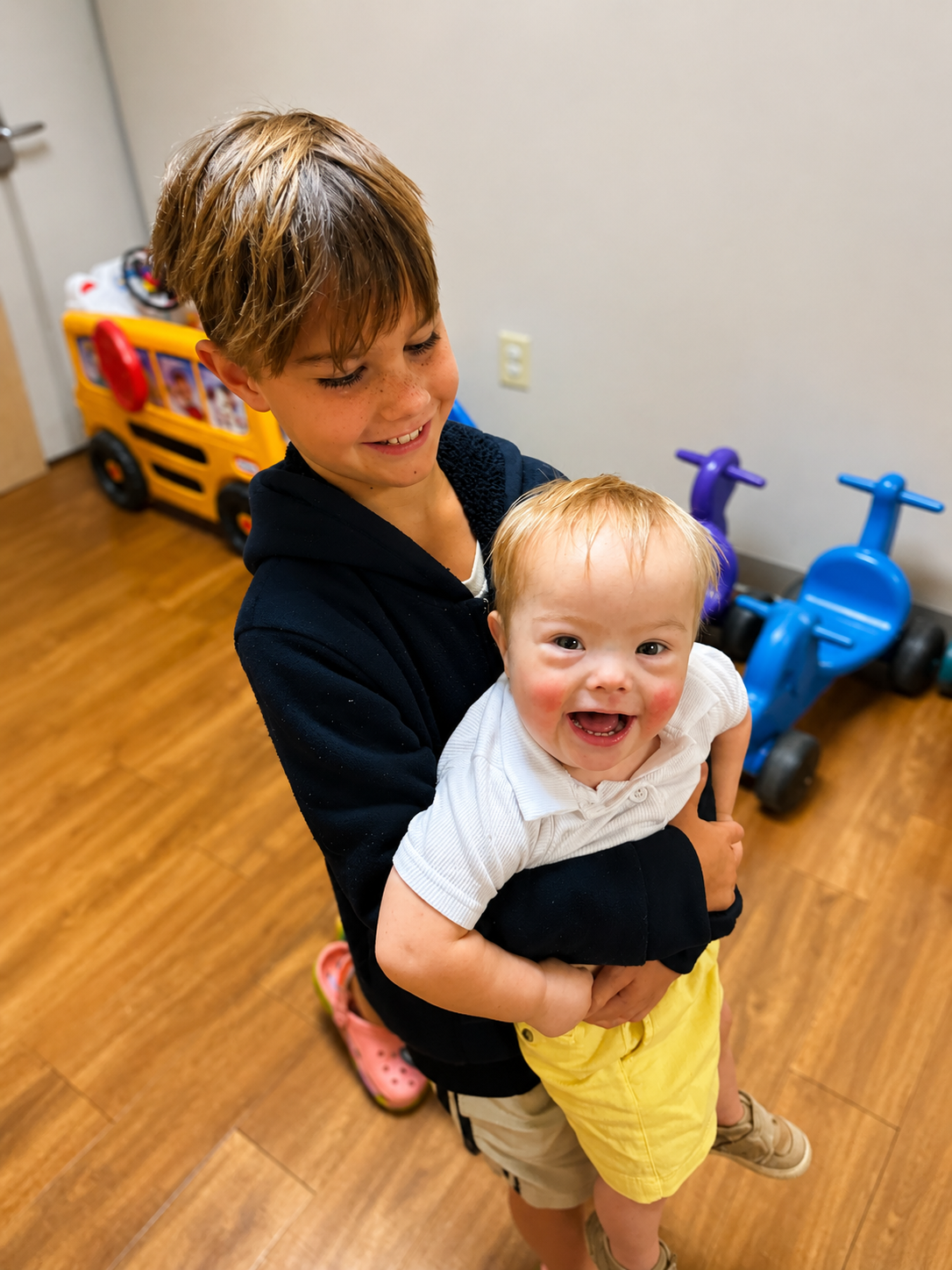
When parents receive a Down syndrome diagnosis, one concern often rises to the surface almost immediately: How will this affect my other children? Will it create strain, resentment, or lifelong responsibility? The fear of burden is one of the most powerful themes that emerges in prenatal diagnosis conversations.
In this article, I explore how my own fears compared to reality, what research reveals about sibling relationships, and why so many families describe something entirely different than what they once imagined. From fierce protectiveness and deep bonds to the unexpected ways children develop empathy and compassion, the story of siblings and Down syndrome is often far more hopeful than many parents expect.
The Outdated Stereotypes That Still Shape Modern Down Syndrome Diagnoses
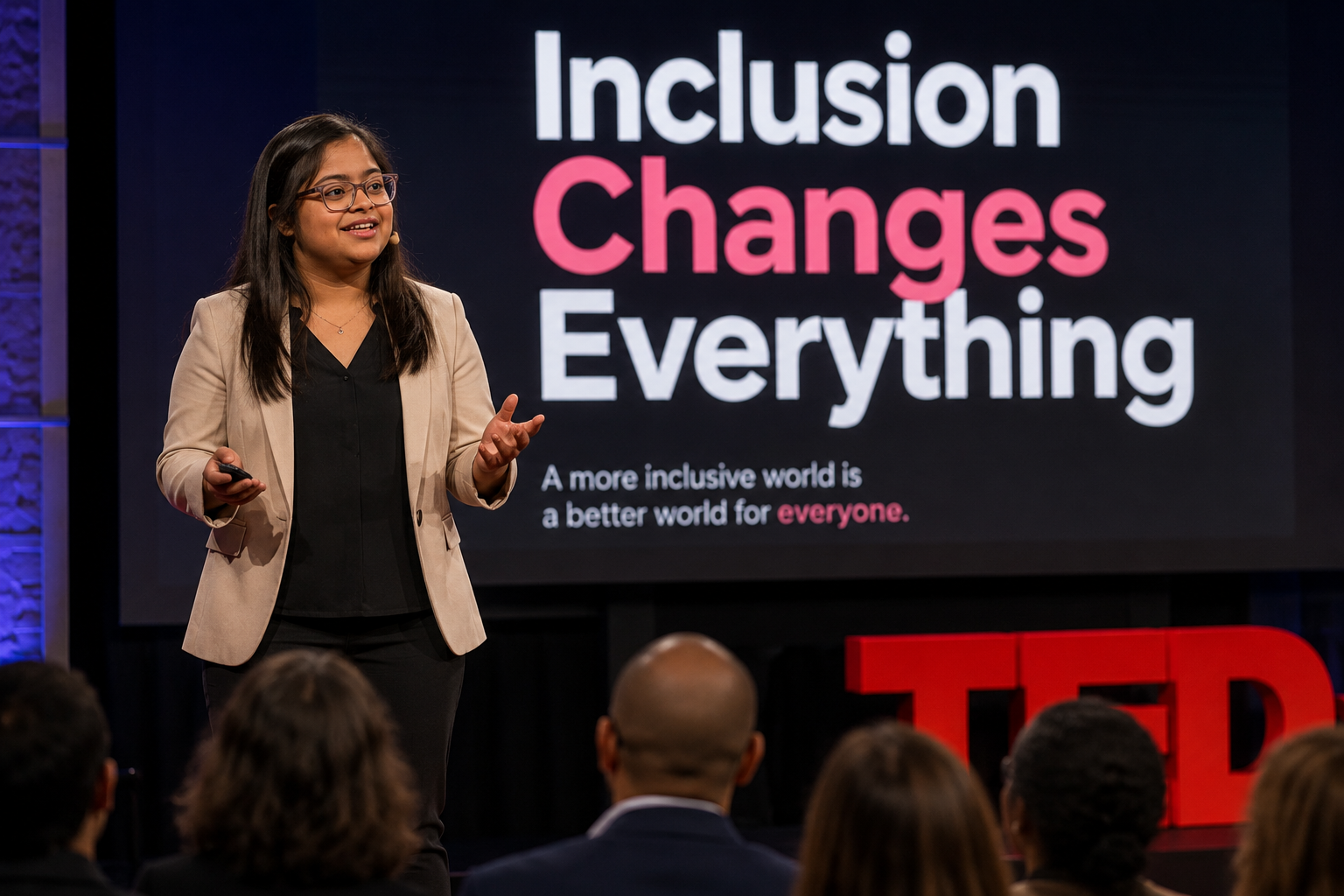
Many of the assumptions surrounding Down syndrome were formed decades ago, in a world with different medical care, educational opportunities, and social expectations. Yet today's children with Down syndrome are growing up in a dramatically different reality. This article explores how outdated stereotypes continue to influence perceptions of Down syndrome and asks an important question: have our conversations about diagnosis kept pace with the lives people with Down syndrome are living today?
The Down Syndrome Generation No One Predicted
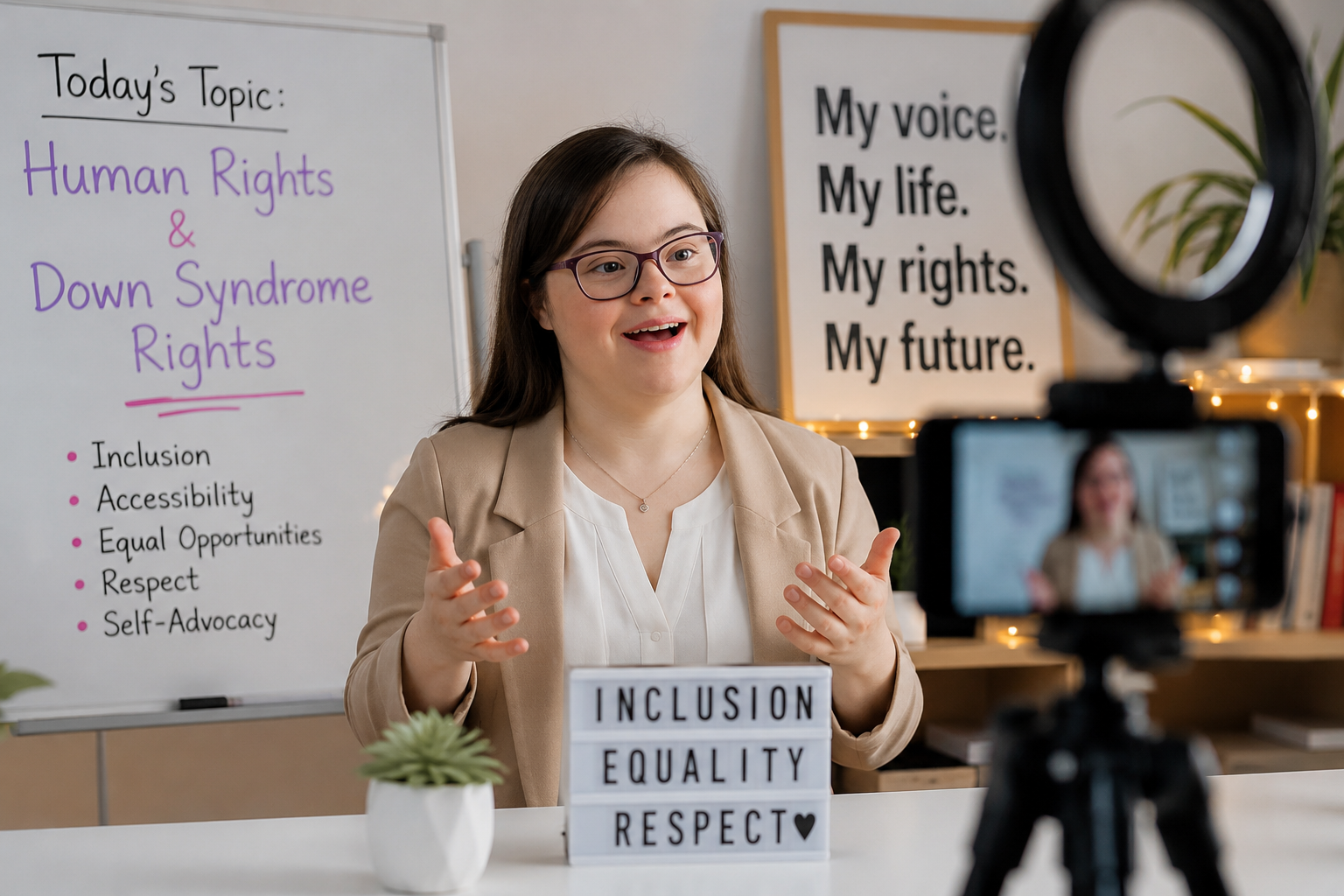
Many of the assumptions people hold about Down syndrome were formed in a very different era. From life-saving medical advances and inclusive education to emerging technologies like AI, today's children with Down syndrome are growing up with opportunities previous generations never had. This article explores how a changing world is reshaping what is possible.
10 Things I Wish Someone Had Told Me After My Positive Down Syndrome Screening
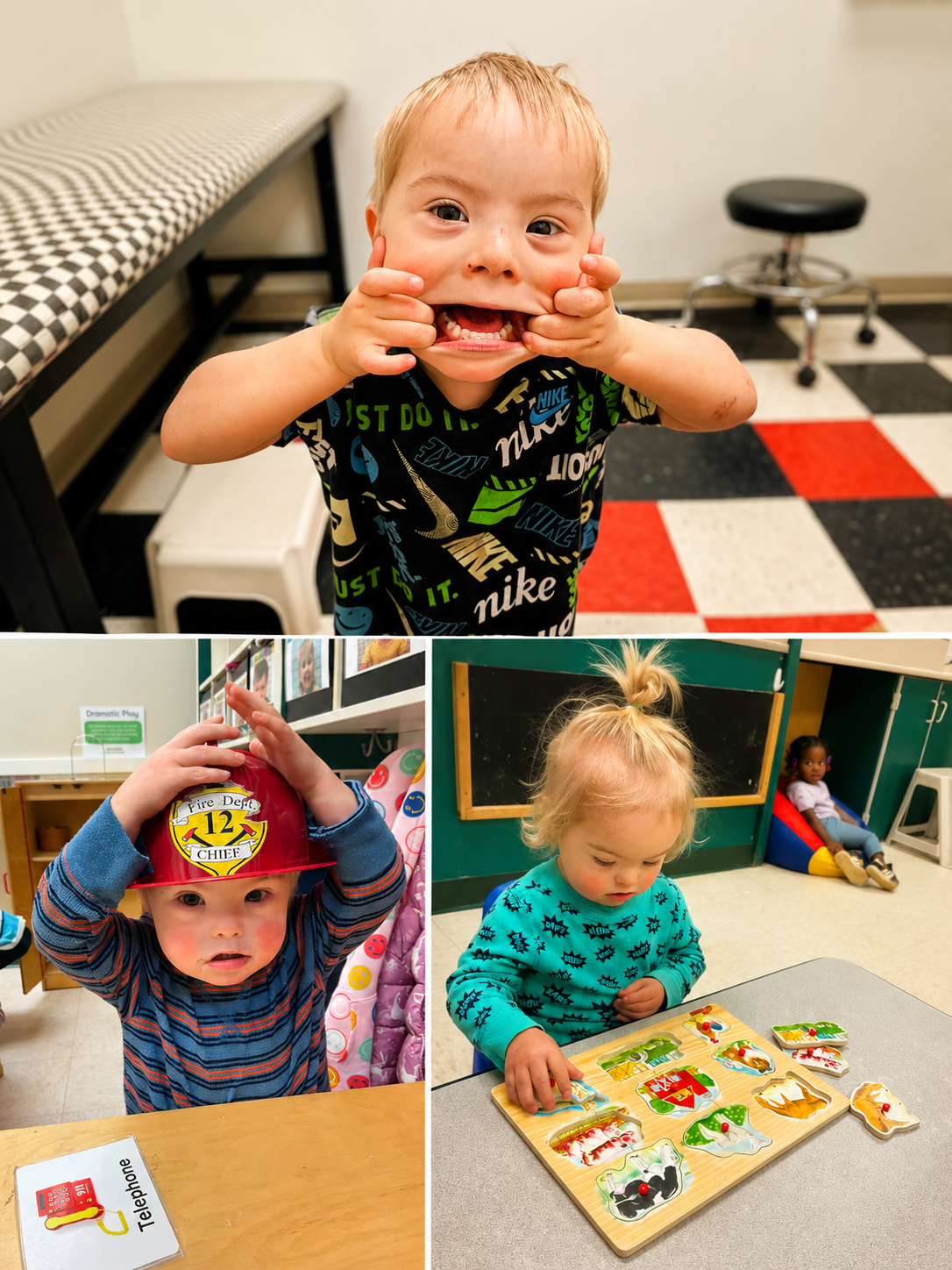
If you had handed me this list the day I received my positive NIPT result, I would not have believed a word of it. I was terrified of what life with Down syndrome would mean for my child, my family, and my future. Years later, raising my son Cade has taught me lessons I never expected. These are the ten things I wish someone had told me during those long months between diagnosis and birth.
The 7 Fears Many Parents Carry During "The Space Between"
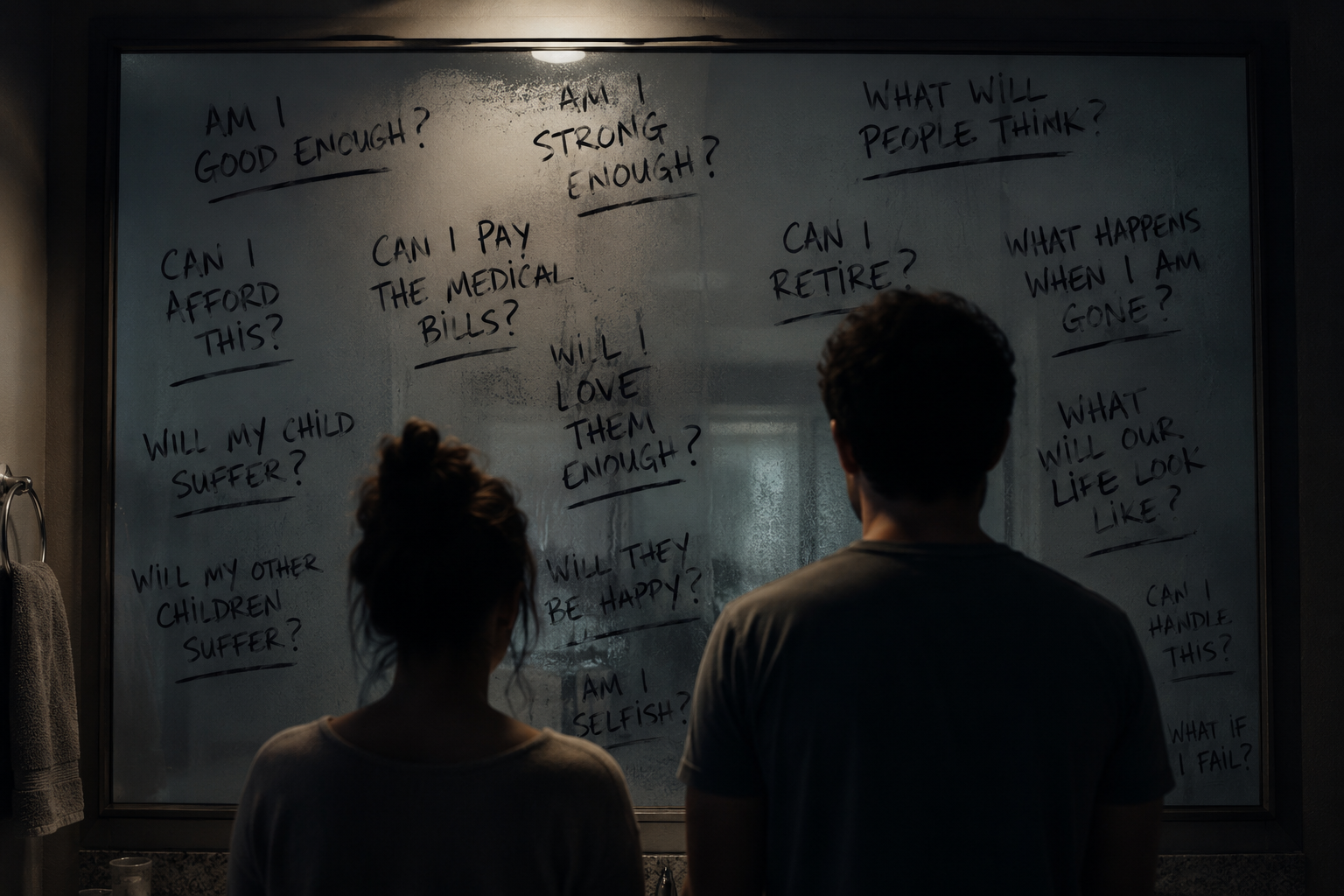
What are parents most afraid of after a Down syndrome diagnosis? From fears about medical complications and lifelong care to worries about family impact, identity, and even the ability to love their child, many parents carry fears they rarely discuss openly. In this article, we explore seven common fears that emerge during "The Space Between" and why understanding them is essential to improving the diagnosis experience.

What Happens After a Positive NIPT Test for Down Syndrome?
I opened MyChart expecting to learn my baby's gender. Instead, I found a positive screening result for Down syndrome and began one of the most difficult journeys of my life. This article explores the shock, fear, information overload, and uncertainty many families experience after a positive NIPT result—and why understanding those first moments matters.
The Space Between: What Happens Between Diagnosis and Decision?
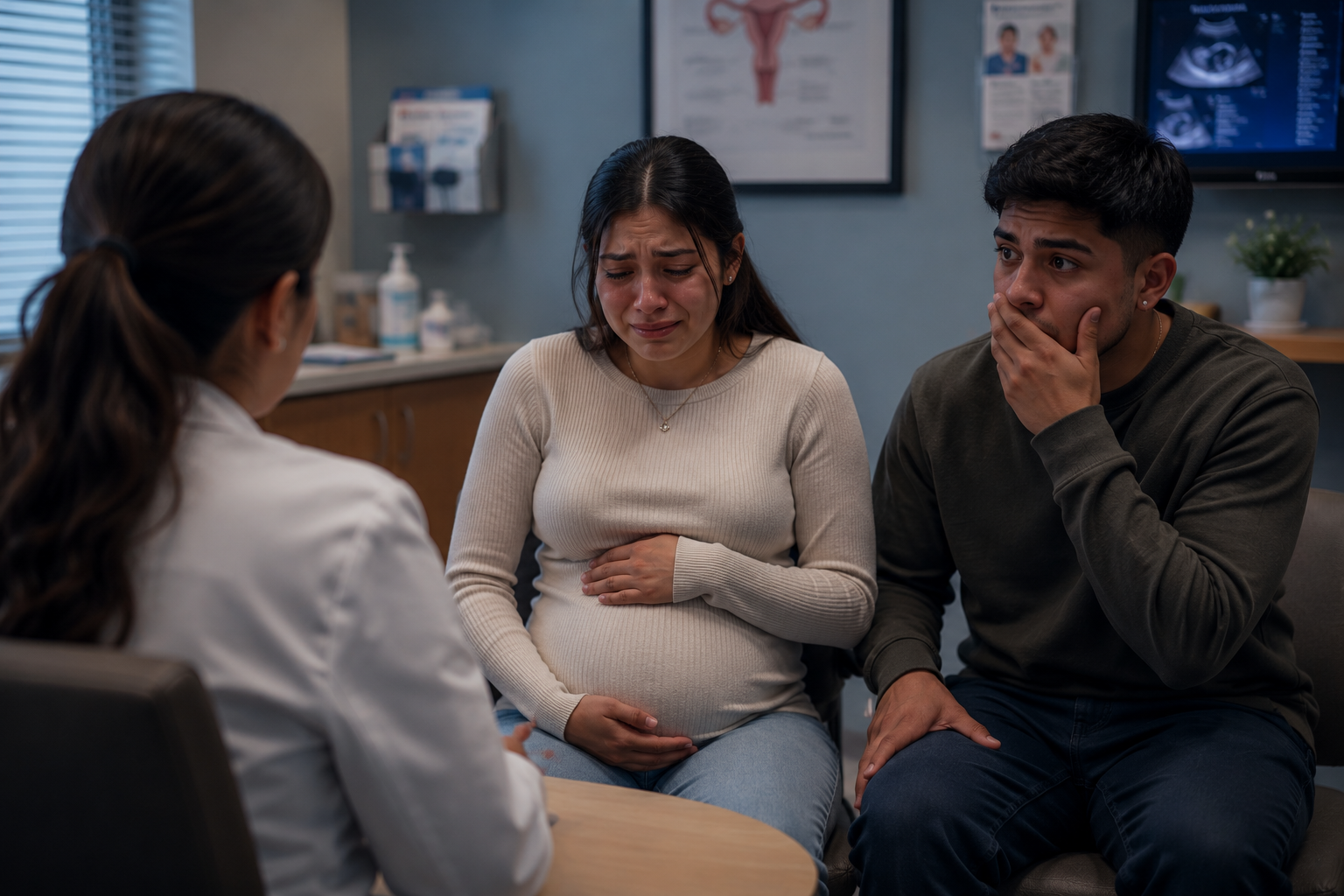
What happens in the days and weeks after a Down syndrome diagnosis? The 1st Voice Project calls this critical period "The Space Between"—the time between diagnosis and decision, when parents are processing information, seeking support, confronting fears, and trying to imagine a future they cannot yet see. This article explores why those moments matter and how they may shape perceptions, decisions, and expectations for years to come.
What I Expected vs. What I Experienced Raising a Child with Down Syndrome
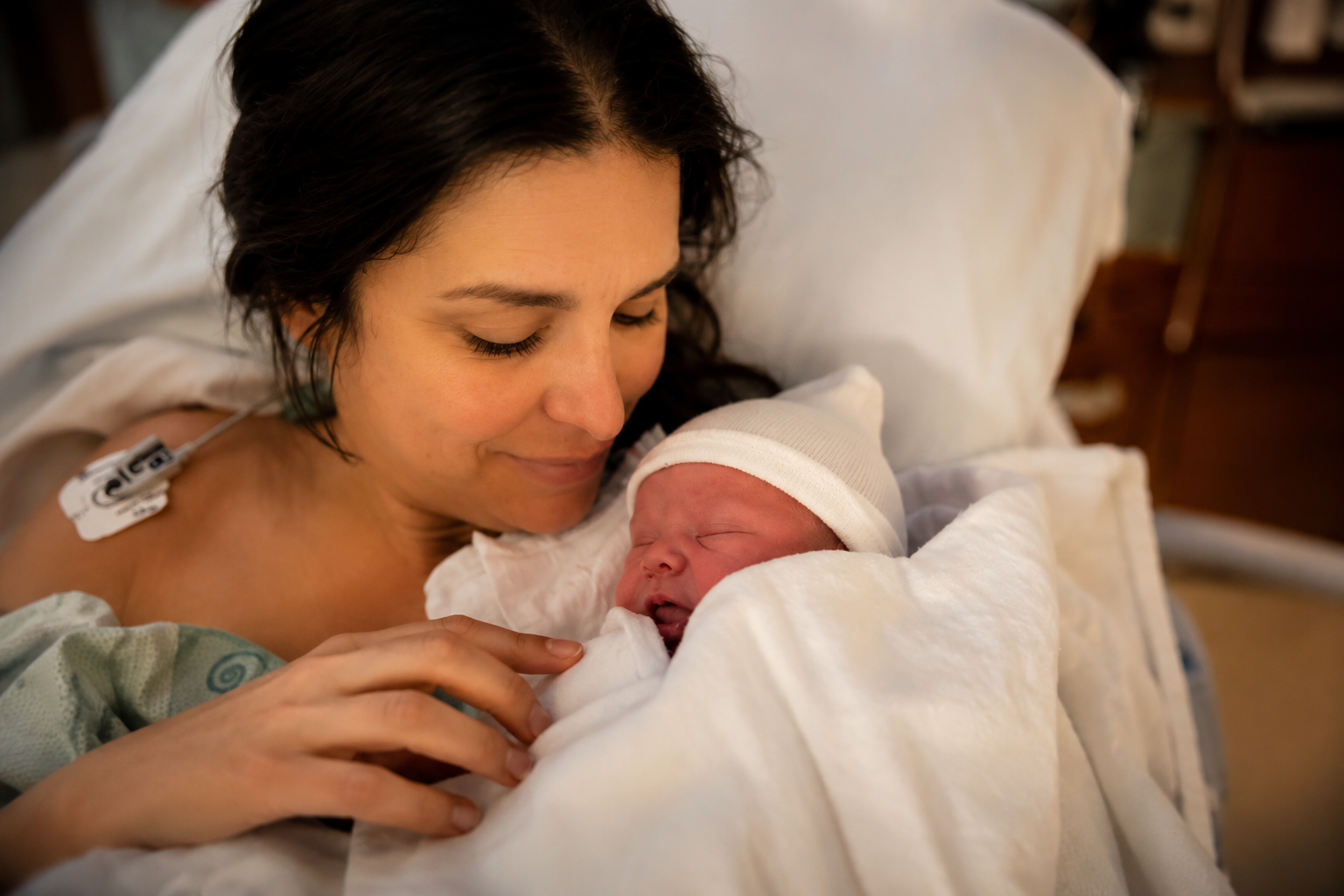
When I received a prenatal Down syndrome diagnosis, I was terrified. What followed was months of fear, uncertainty, and imagining a future I could not see. Then my son Cade was born—and the reality of raising a child with Down syndrome turned out to be dramatically different from what I expected. This article explores the gap between fear and reality, and why understanding that difference matters.
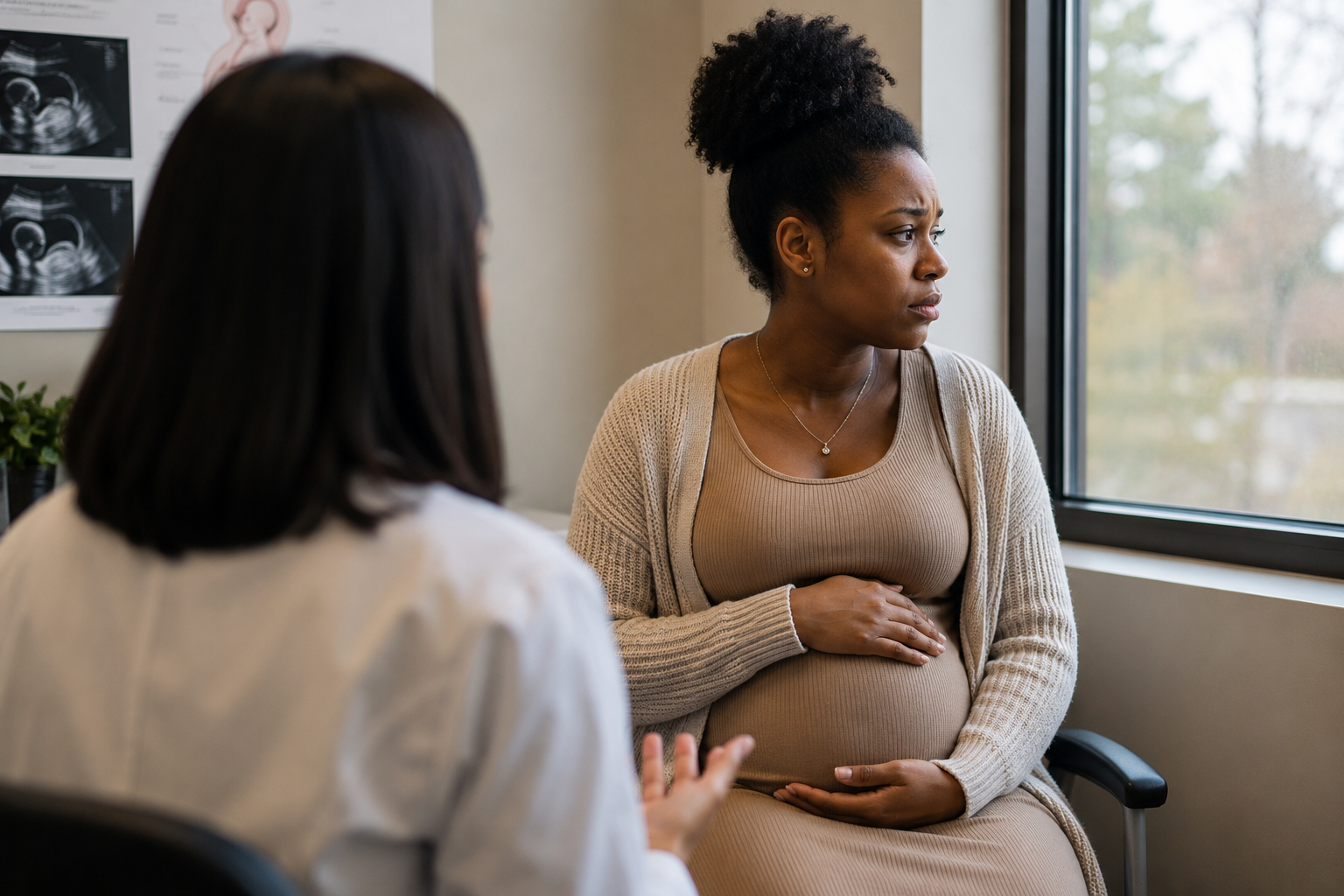
Why Parents Remember the Diagnosis Conversation for Years
Many parents can still repeat the exact words spoken during their diagnosis conversation years later. Why do those moments stay with us? This article explores the psychology of memory, the influence of trusted authority figures, and why the earliest conversations following a Down syndrome diagnosis may have a lasting impact on how families perceive their journey.