
I just received a prenatal or birth Down Syndrome diagnosis.
Take a deep breath.
If you're reading this, there is a good chance you've recently received news that has left you feeling overwhelmed, frightened, confused, or uncertain about the future.
You're not alone.
Thousands of parents receive a prenatal Down syndrome diagnosis every year, and many describe those first hours and days as some of the most difficult moments of their lives.
Whatever you're feeling right now—fear, sadness, shock, grief, hope, confusion, or all of the above—is normal.
What You Need to Know Right Now
You just received a Down Syndrome diagnosis, and it may feel like your world has been turned upside down.
But a diagnosis is simply information.
It is not a prediction of your child's personality, abilities, relationships, happiness, or future.
No report, test result, statistic, or list of characteristics can tell you who your child will become.
Your child is still your child.


Every Child Is Different
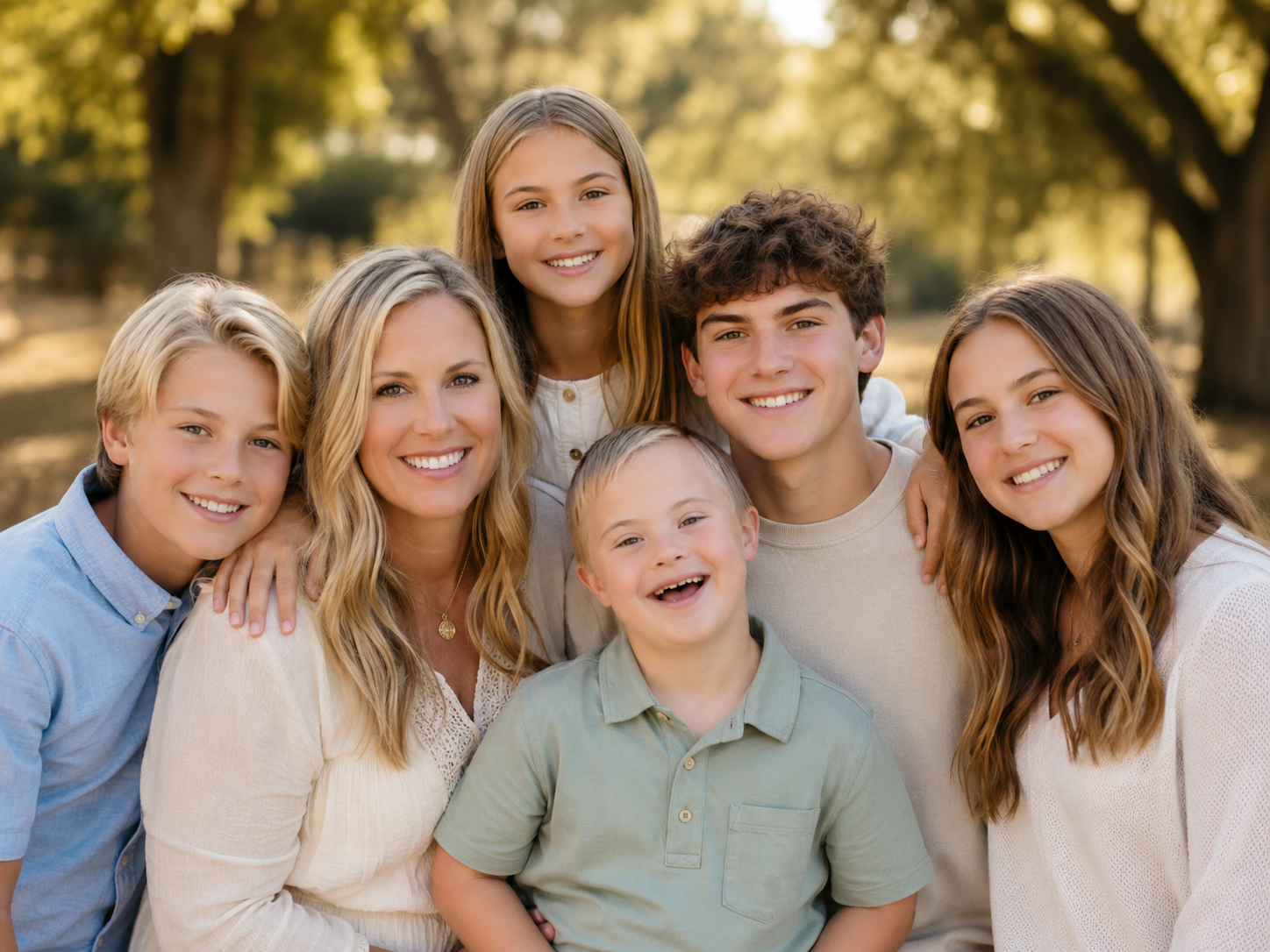
Down syndrome is associated with certain developmental and medical considerations, but no two individuals are exactly alike.
Some children experience significant medical challenges.
Others experience very few.
Some learn quickly.
Others need additional support.
Like all children, each person with Down syndrome is unique.
You Do Not Need to Make Every Decision Today
Many parents feel pressure to immediately understand everything about Down syndrome and what it may mean for their family.
You don't have to figure everything out today.
Give yourself permission to process the information one step at a time.
Talk to Real Families
One of the most valuable things many parents report is connecting with people who have lived the experience.
Few diagnoses come with a built-in community. Down Syndrome is one of them.
Families often discover a network of parents, self-advocates, educators, therapists, organizations, and friends who celebrate every milestone and walk alongside them throughout the journey.
You don't have to navigate this alone.
The days following a down syndrome diagnosis can feel overwhelming.
These organizations, families, and self-advocates provide trusted information, support, and real-world experiences to help you navigate the journey ahead.
-
Website: https://www.dsdiagnosisnetwork.org
A national organization dedicated to supporting expectant and new parents who receive a Down syndrome diagnosis. DSDN connects families through peer support, educational resources, and specialized support groups.
-
Website: https://www.ndss.org
The leading human rights organization for individuals with Down syndrome. NDSS provides education, advocacy, policy leadership, and resources for individuals with Down syndrome and their families.
-
Website: https://www.ndsccenter.org
A national advocacy organization that promotes opportunities and supports for individuals with Down syndrome and their families through education, advocacy, and community engagement.
-
Find a Local Organization: https://www.ndss.org/resources/local-support/
Many communities have local Down syndrome associations that offer family support, social events, educational programs, parent mentoring, and connections to local resources.
-
One of the most valuable resources available is speaking with parents who have walked a similar path. Many families find comfort, perspective, and practical advice through conversations with other parents.
-
You do not have to navigate this journey alone.
Many families find that connecting with trusted organizations, experienced parents, and individuals with Down syndrome provides valuable perspective, support, and encouragement during the days and weeks following a diagnosis.
Hearing real stories often provides perspectives that cannot be found in a medical report.
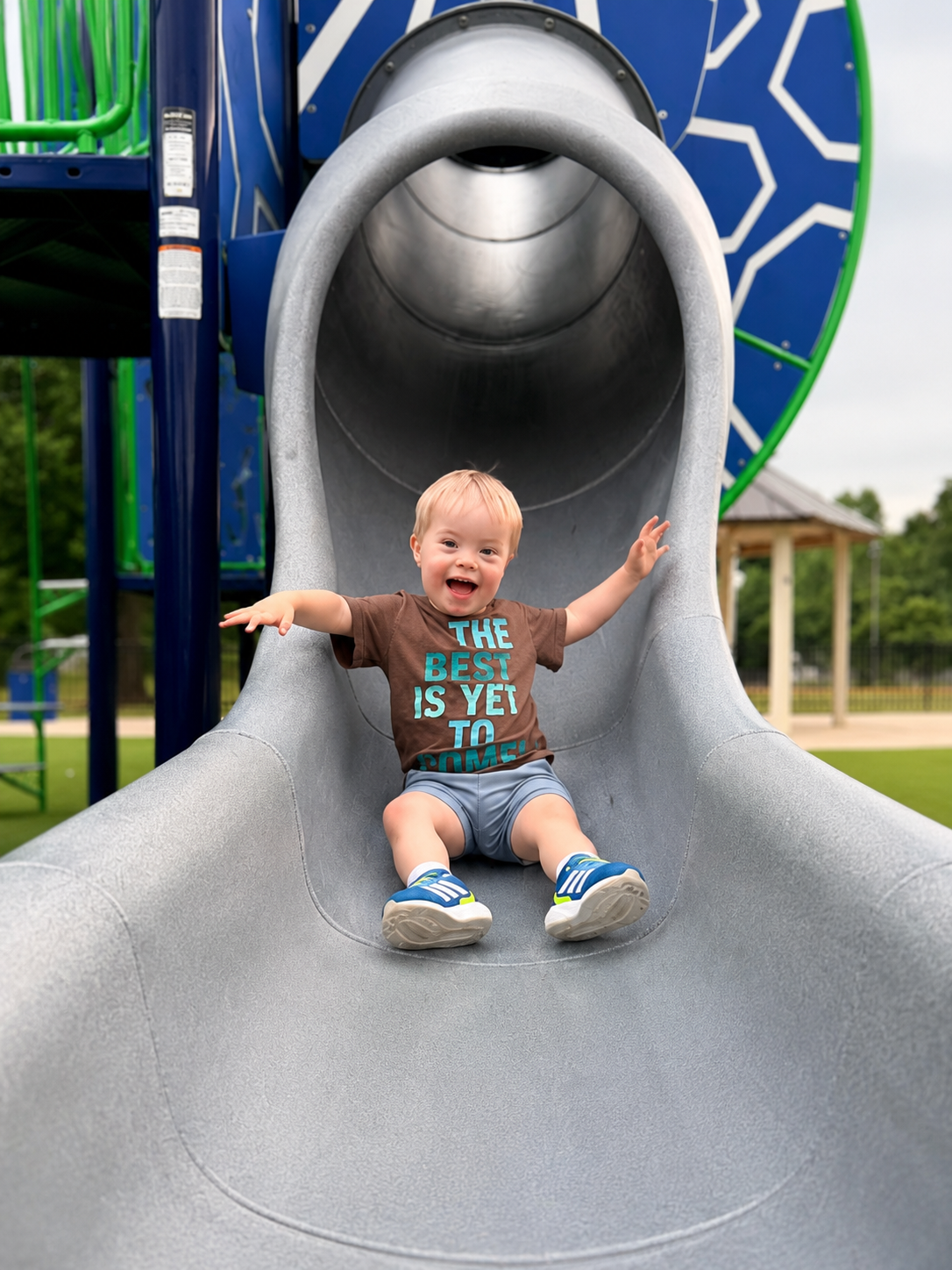
““What I feared and what I experienced turned out to be very different things.””
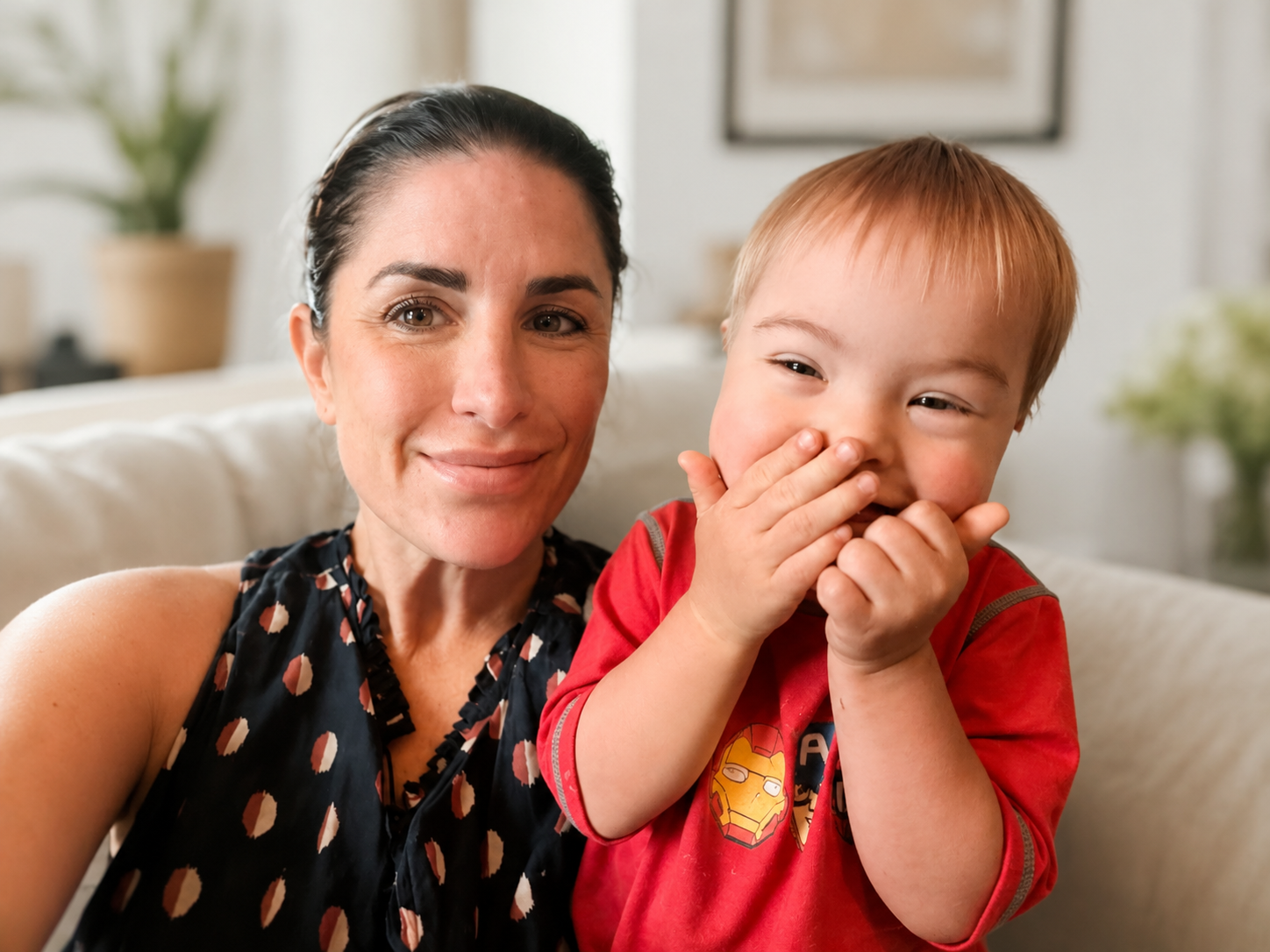
A message from Cade’s mom.
When I received my son's diagnosis, I was terrified.
Looking back, I wish someone had told me that the fear I felt during pregnancy would not become the reality of our lives.
During my pregnancy, I became so focused on Down syndrome that I almost forgot there was a baby on the other side of the diagnosis. When Cade was born, I remember looking at him and realizing that he was exactly that—a baby. Not a diagnosis. Not a list of statistics. Not a prediction of the future. Just my son.
What surprised me most was how small a role Down syndrome played in our day-to-day life compared to everything else that makes Cade who he is. He is far more like our family, his siblings, and his own unique personality than he is his diagnosis.
I was fortunate that Cade was my fourth child. By then, I had already learned that parenting rarely unfolds exactly as planned. Some of the greatest challenges our family has faced were things that never appeared on a prenatal test. That perspective helped me realize that every child comes with unknowns, strengths, struggles, and gifts.
And Cade has gifts in abundance.
He has surprised me, impressed me, and taught me more than I ever expected. He is loved fiercely by his siblings—quite honestly, he may be the favorite. The burden I once feared never materialized. Instead, I watched our family rally around him in ways that felt completely natural.
Another surprise was the community. Before Cade was born, much of the information I received focused on limitations and challenges. After he arrived, I discovered something entirely different: a world full of people who celebrate him. Everywhere we go, people notice him, smile at him, encourage him, and cheer him on. I have never seen a child receive more compliments, more attention, or more genuine affection from complete strangers.
One of the greatest gifts of this journey has been realizing that Cade entered the world with something many people spend a lifetime searching for—a community ready to welcome him, support him, and celebrate every milestone along the way.
Whatever comes next for your family, know that you are stronger than you think, and you do not have to walk this path alone.
— Megan Uotila
Founder | Research Lead