The 1st Voice Project began with a question.
How does Down syndrome diagnosis communication shape perceptions, influence decisions, & compare to the reality families ultimately experience?
Understanding the Diagnosis Experience
The 1st Voice Project seeks to better understand how families experience a prenatal Down syndrome diagnosis—from the moment the news is delivered to the decisions, perceptions, and realities that follow. Through the stories of families, we hope to identify patterns, uncover unanswered questions, and contribute to future research, education, support services, and healthcare communication practices.
Our research is organized around four core themes:

The Weight of Words
The words families hear first often leave the deepest impression.
We are exploring how prenatal Down syndrome diagnoses are communicated, who delivers the information, how families perceive those conversations, and the lasting impact of trusted medical professionals and other authority figures during emotionally significant moments.
The Space Between
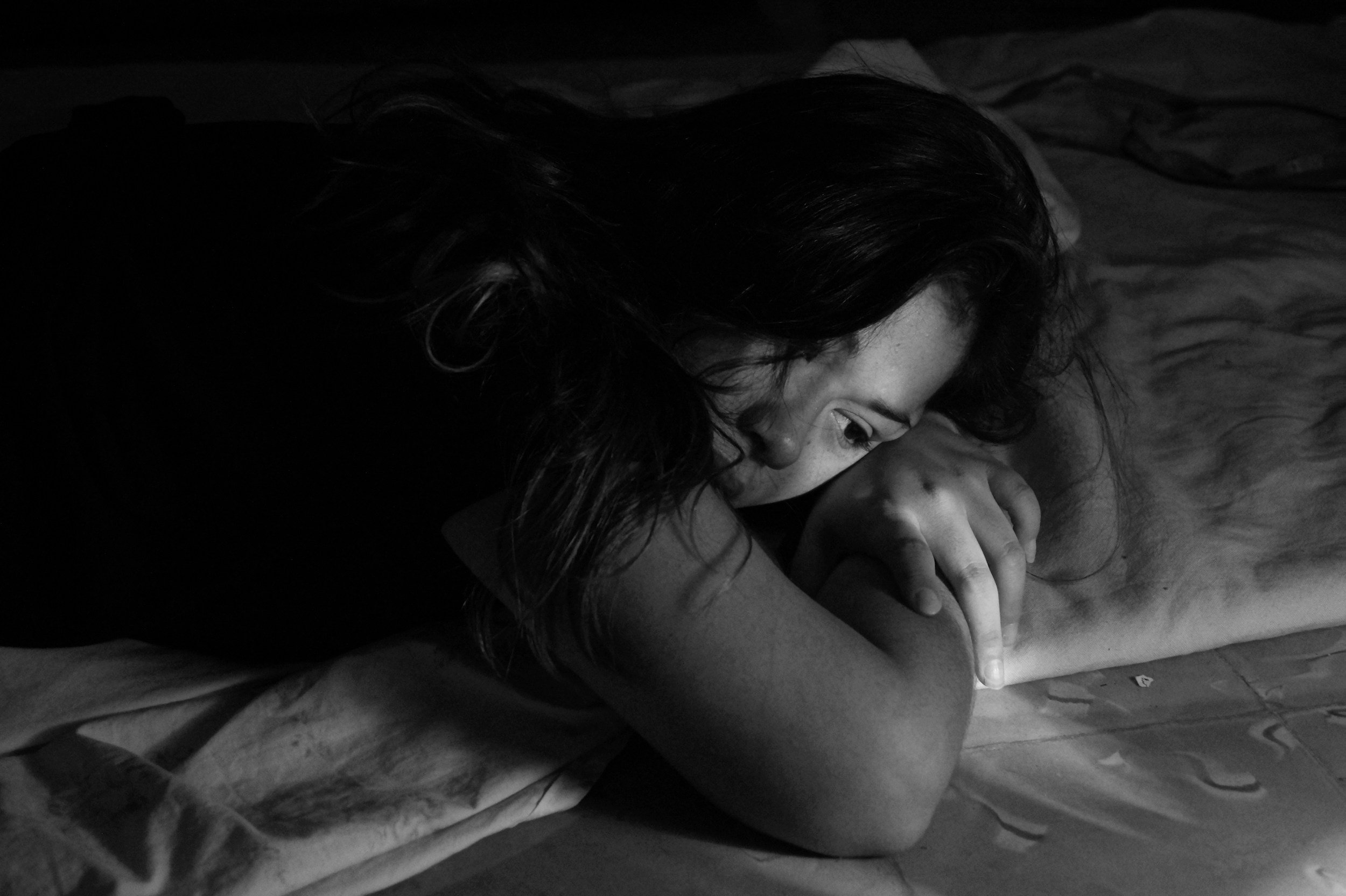
What happens between diagnosis and decision?
The Space Between refers to the critical period after a diagnosis is received but before perceptions are fully formed and decisions are made. We are studying how families seek information, evaluate resources, connect with support systems, and navigate uncertainty during this vulnerable time.

Every family's experience matters.
Families follow many different paths following a prenatal diagnosis. We seek to understand the experiences of parents who continued their pregnancies, experienced loss, pursued adoption, or chose termination. By listening to all perspectives, we hope to better understand the factors that influence decision-making and how families experience the information and support available to them.
Every Voice
The Expectation Gap
From Expectations to Experience
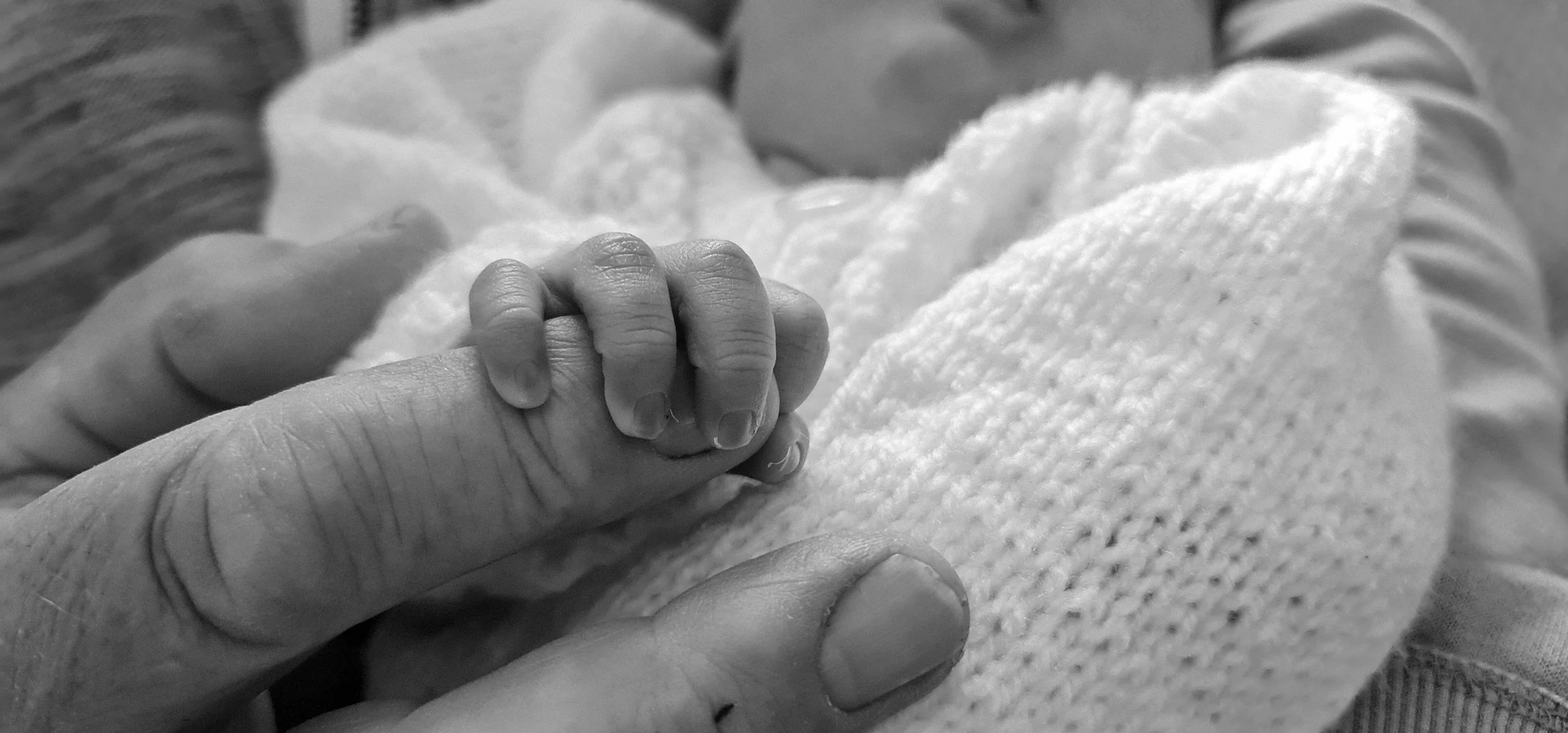
One of the questions at the heart of the 1st Voice Project is how expectations compare to reality. Many families form perceptions about Down syndrome long before they ever meet their child. By exploring the gap between what families expected and what they ultimately experienced, we hope to better understand how information, support, and lived experience shape the journey.
The 1st Voice Process
-
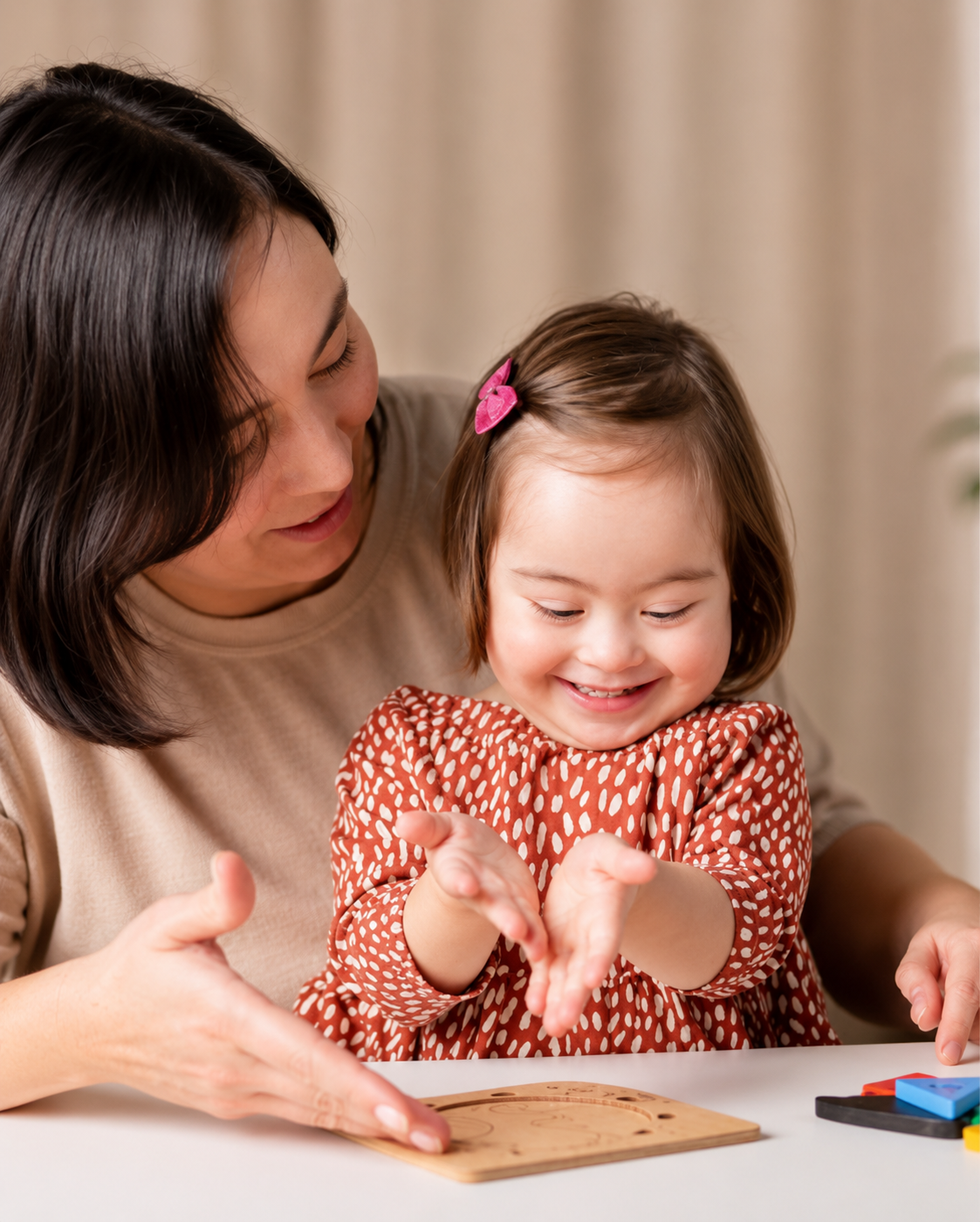
![Mother and young daughter playing a board game together at a table.]()
Listen.
Every family experiences a diagnosis differently. The First Voice Project exists to listen to those experiences and learn from them.
-
![Two men engaging in an arm wrestling match and smiling in a bright room.]()
Understand.
We explore how communication, statistics, medical counseling, and support systems influence parental perceptions during the earliest moments following a diagnosis.
-
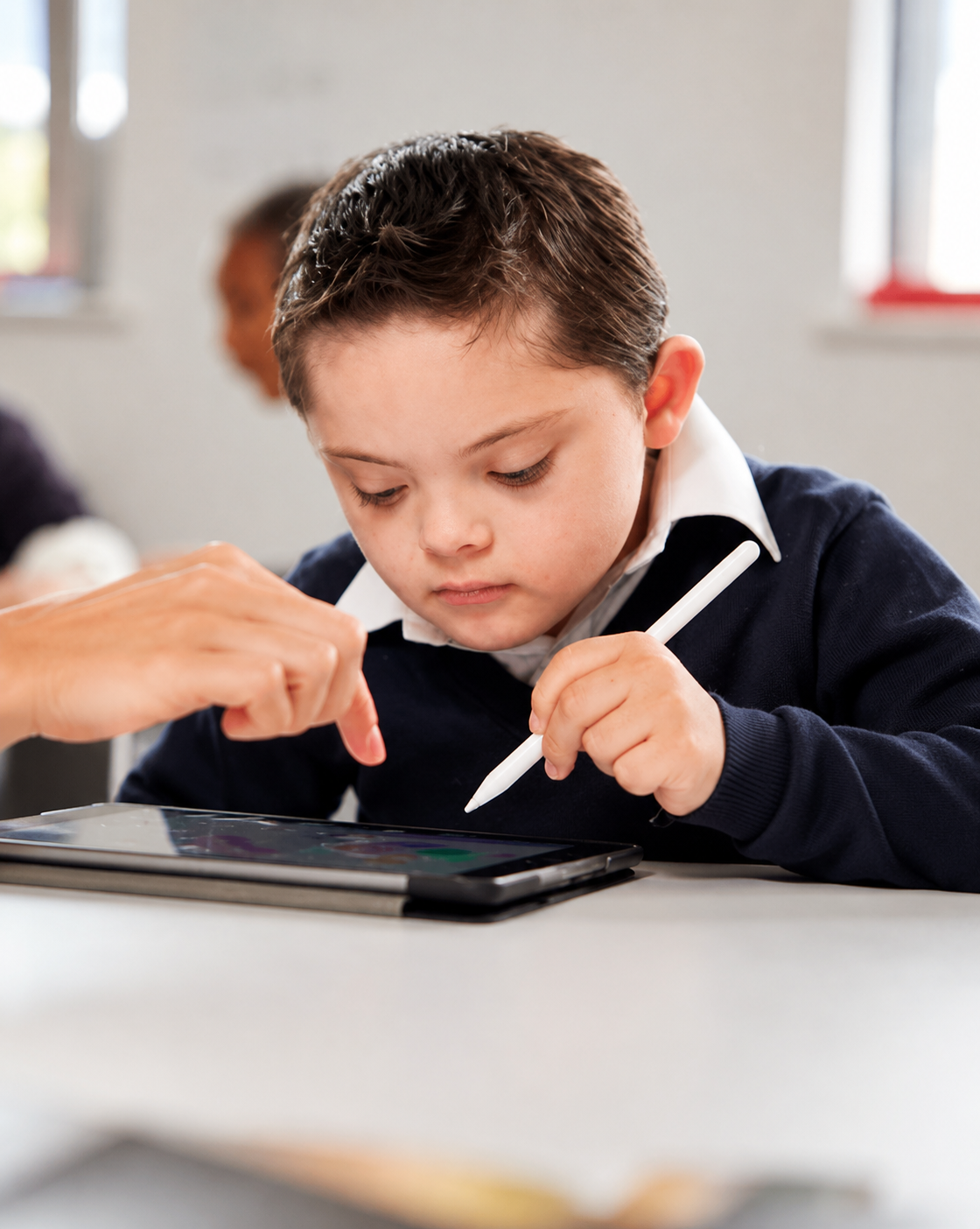
![A young boy in a school uniform using a stylus on a tablet during class.]()
Learn.
By gathering stories and survey data, we seek to identify patterns, questions, and opportunities for future research.
-
![A group of six diverse young adults in orange sports jerseys taking a selfie on an outdoor sports field.]()
Share.
Findings, insights, and family perspectives will be shared to support education, awareness, and meaningful conversations.
-
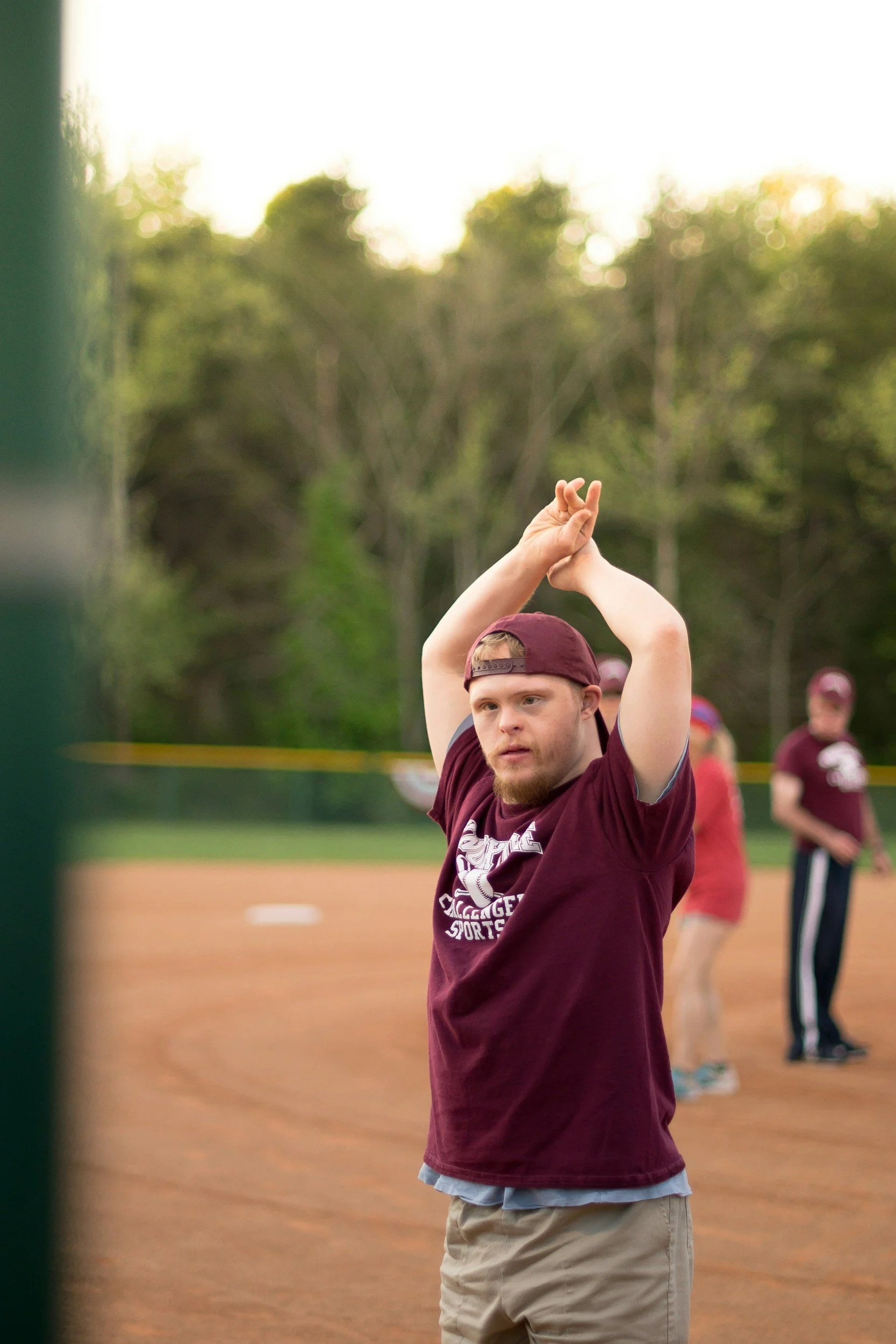
![A young man with a red cap backwards and a maroon T-shirt with a sports logo, standing on a baseball field with his arms raised, participating in a game or practice. Other people are in the background, and there are trees and a bright sky.]()
Improve.
Our hope is that listening to families can help inform future support services, educational resources, and healthcare communication.
-
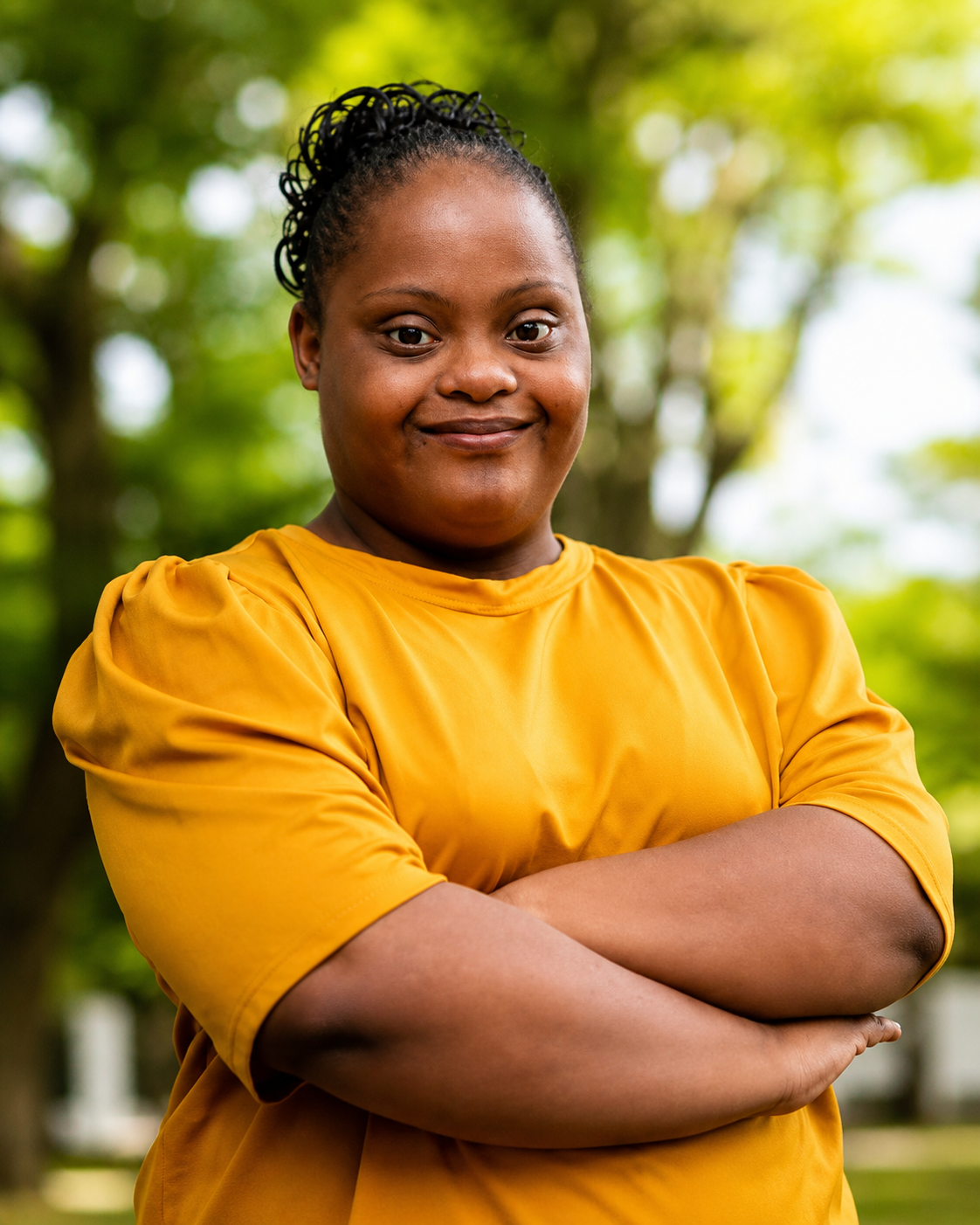
![A woman with dark curly hair pulled back, smiling with arms crossed, wearing a yellow blouse outdoors with trees in the background.]()
Act.
Our hope is that listening to families can help inform future support services, educational resources, and healthcare communication.