Why Parents Remember the Diagnosis Conversation for Years
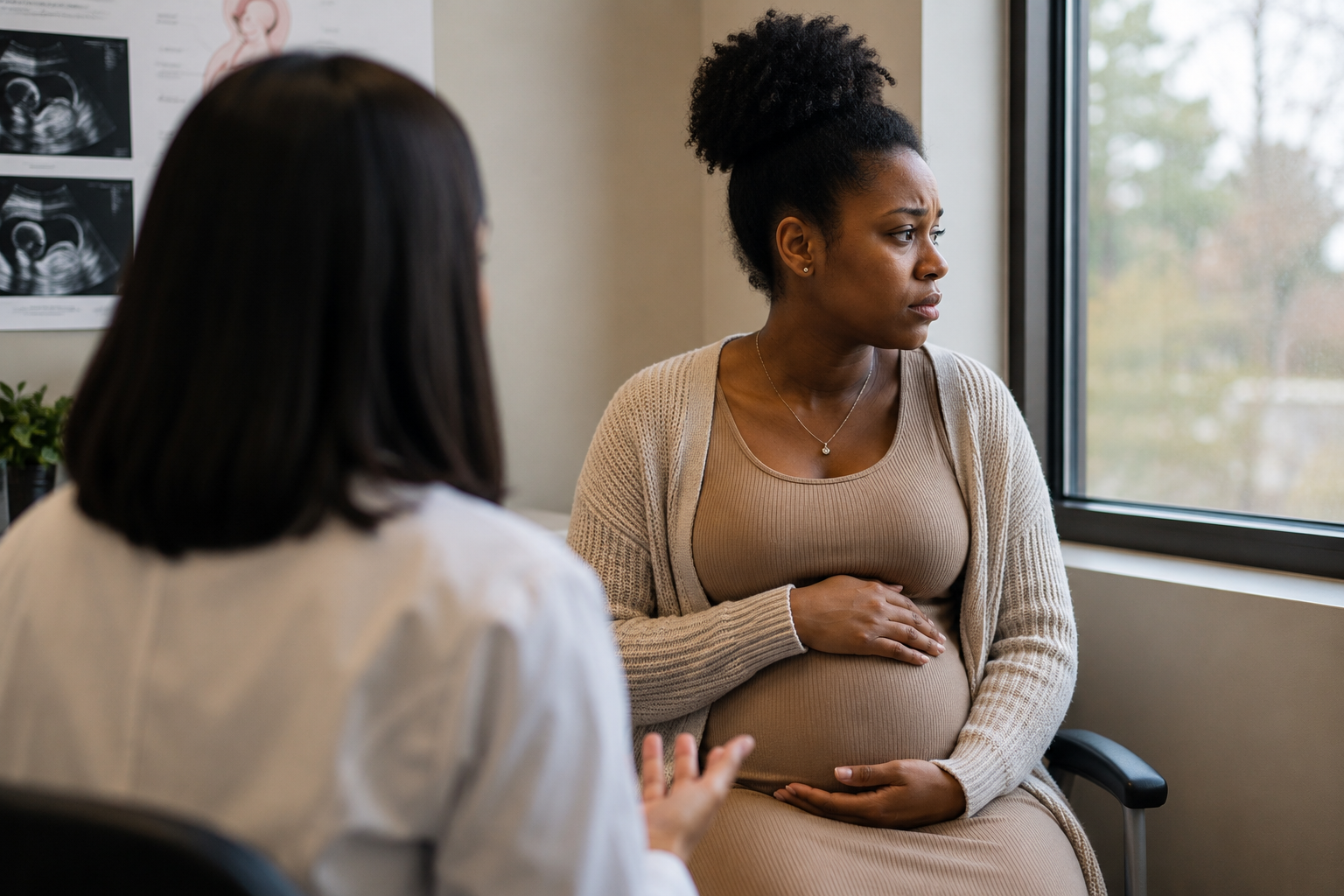
As a parent who received a prenatal Down syndrome diagnosis about the day they got the news, and many can tell you exactly where they were.
They remember the room.
They remember the phone call.
They remember the email notification.
They remember the doctor's expression.
And perhaps most importantly, they remember the words.
Years later, many parents can still repeat specific phrases, statistics, recommendations, and even images that were presented during those first conversations.
Why?
Because those conversations often occur during one of the most emotionally significant moments of a person's life.
At the 1st Voice Project, we refer to this as The Weight of Words—the profound influence that information, language, and delivery can have during the period immediately following a diagnosis.
The Psychology of Remembering
Research has long shown that emotionally significant events are often remembered differently than ordinary experiences.
When something unexpected, life-changing, or deeply emotional occurs, our brains pay attention.
Details that might otherwise be forgotten become attached to the emotions of the moment.
For many parents, receiving a prenatal diagnosis is one of those moments.
One day you are imagining a future with your baby.
The next, someone tells you that the future you imagined may look different than you expected.
Whether that information arrives through a doctor, genetic counselor, nurse, phone call, or patient portal, it often creates an immediate emotional response.
Questions begin racing through your mind.
What does this mean?
What happens next?
What will my child's life be like?
What will my life be like?
It is often during those first moments that information carries its greatest weight.
The Words I Never Forgot
I can still remember the exact words spoken during my own diagnosis conversation.
Years later.
Word for word.
I remember the statistics.
I remember the recommendations.
I remember the discussion about additional testing.
I remember the way the information was framed.
Most of all, I remember how those words made me feel.
At the time, I was a 39-year-old mother of three. I already had experience raising children, including a child with special needs. I had a supportive husband and a stable home life.
Even with those advantages, I left feeling overwhelmed and frightened.
Looking back now, I often wonder how those same words might have landed for a first-time mother in her twenties with no prior experience with disability, parenting, or special needs.
How much influence do those first conversations have?
That is one of the questions driving this research.
Not Every Story Is Negative
One thing that has surprised us through the 1st Voice Project is the incredible range of experiences families report.
Some parents describe physicians who delivered the diagnosis with compassion, empathy, and balance.
One participant recalled a physician sharing that they had a sibling with Down syndrome.
Another described a doctor who congratulated them and spoke positively about the Down syndrome community while still providing accurate medical information.
Those conversations were remembered too.
Parents often carried those positive experiences with them for years.
But other families describe experiences that felt cold, rushed, clinical, or heavily focused on limitations and worst-case scenarios.
The difference between those experiences matters.
Because families remember them.
More Than Just Information
The Weight of Words is not only about what was said.
It is also about who said it.
Doctors, genetic counselors, and medical professionals carry tremendous credibility.
They should.
Their expertise is invaluable.
But because their words carry such authority, they may also have greater influence than we realize.
If the same statement came from a neighbor, friend, or stranger, would it be interpreted differently?
Would parents assign it the same weight?
These are important questions, particularly when families are navigating uncertainty and making deeply personal decisions.
The Buffers We Bring
Not every parent enters the diagnosis experience with the same resources, experiences, or support systems.
Some arrive with prior parenting experience.
Some have previous exposure to disability.
Some have strong faith communities.
Some have supportive partners.
Others do not.
These factors may act as buffers that influence how information is received and processed.
The same words delivered to two different families may have very different effects depending on what those families bring into the room.
Understanding those differences is one of the reasons this research exists.
Why This Matters
The goal of studying The Weight of Words is not to criticize medical professionals.
Most physicians genuinely want what is best for their patients.
The goal is to better understand how families experience these conversations and why certain moments remain so vivid years later.
Because when parents remember a diagnosis conversation a decade after it happened, it tells us something important.
It tells us those moments matter.
The words matter.
The delivery matters.
The support matters.
And if we hope to improve the diagnosis experience for future families, we must first understand the lasting impact those conversations can have.
That understanding begins by listening.
One family.
One story.
One voice at a time.
A note from the 1st Voice Project:
Have you received a Down Syndrome diagnosis or positive screening result? If so, what words do you recall? The 1st Voice Project is interested in hearing your story. Please take a few minutes to share your experience by completing our survey.
Related articles:
10 Things I Wish Someone Told Me when I was pregnant
The Space Between: What Happens Between Diagnosis and Decision?
The Seven Fears Many Parents Carry During "The Space Between"
What I Expected vs. What I Experienced Raising a Child with Down Syndrome
Outdated Stereotypes That Still Shape Modern Down Syndrome Diagnoses
Help other families find balanced information by sharing this article.