Sibling & Family Relationships: Understanding the Weight of the Word "Burden" & Down Syndrome
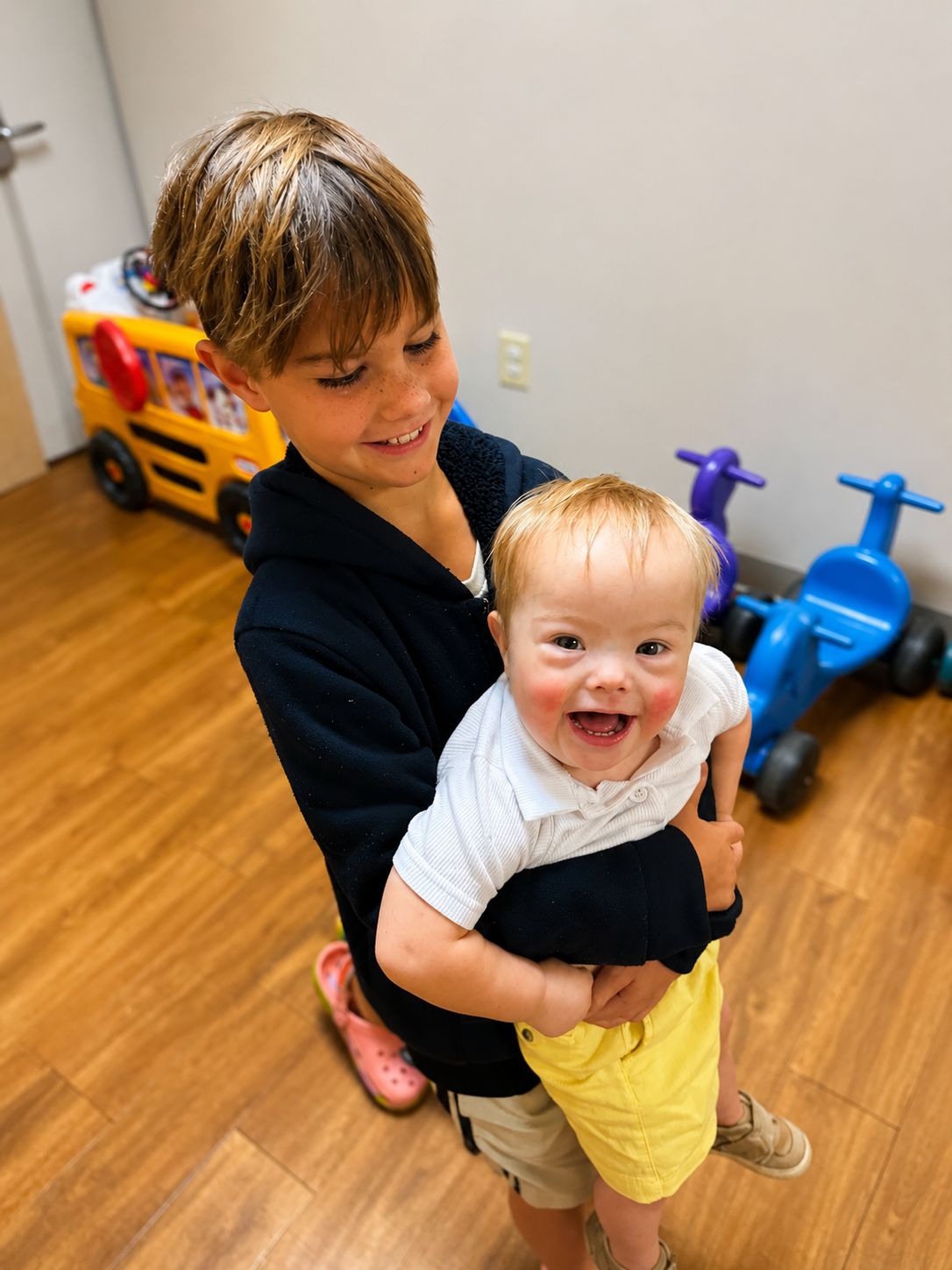
Cade and his big brother, Jordi playing.
Few words carry as much emotional weight in the Down syndrome diagnosis experience as the word burden.
For many expectant parents, the fear arrives almost immediately.
Will this be a burden on our family?
Will this be a burden on our marriage?
Will this be a burden on our finances?
Will this be a burden on our other children?
These are difficult questions because they come from a place of love. Parents are trying to imagine the future. They are trying to protect their children. They are trying to make sense of a reality they never expected.
But as I have spent years talking with families, volunteering with new mothers, conducting research, and raising my own son with Down syndrome, I have come to believe that the word burden deserves a closer look.
Because what many parents fear and what many families ultimately experience are often very different things.
The Fear Before Birth
When I received my positive NIPT result and learned that my son Cade would likely have Down syndrome, one of my greatest concerns was not actually about Cade.
It was about my other children.
At the time, I had three children.
A daughter who was incredibly attached to me.
A son with autism.
Another son who would later receive an ADHD diagnosis.
I worried constantly about what this new diagnosis might mean for them.
Would Cade require more of my time?
More of my attention?
Would my other children lose something because of him?
Would they resent him?
Would they feel overlooked?
I carried enormous guilt during my pregnancy.
I worried that bringing a child with additional needs into our family might somehow take away from the children I already had.
It is a fear I hear repeatedly from other parents.
And it is completely understandable.
What I Didn't Expect
What I did not expect was how deeply my children would love their brother.
Today, Cade is unquestionably the favorite sibling in our house.
My children adore him.
Not because he has Down syndrome.
Because he is Cade.
““The word burden asks only one question: ‘What will this child require from us?’ But perhaps the better question is: ‘What might this child bring into our lives?’”
His sister, the very child I worried about the most during my pregnancy, absolutely treasures him.
She mothers him.
Makes food for him.
Shows him off proudly to anyone who will listen.
She tells people he belongs to her.
She celebrates every milestone.
She is fiercely protective of him.
Their relationship is incredibly close.
Each of my children has developed a unique bond with Cade.
They interact with him differently.
Play with him differently.
Connect with him differently.
But every one of them loves him deeply.
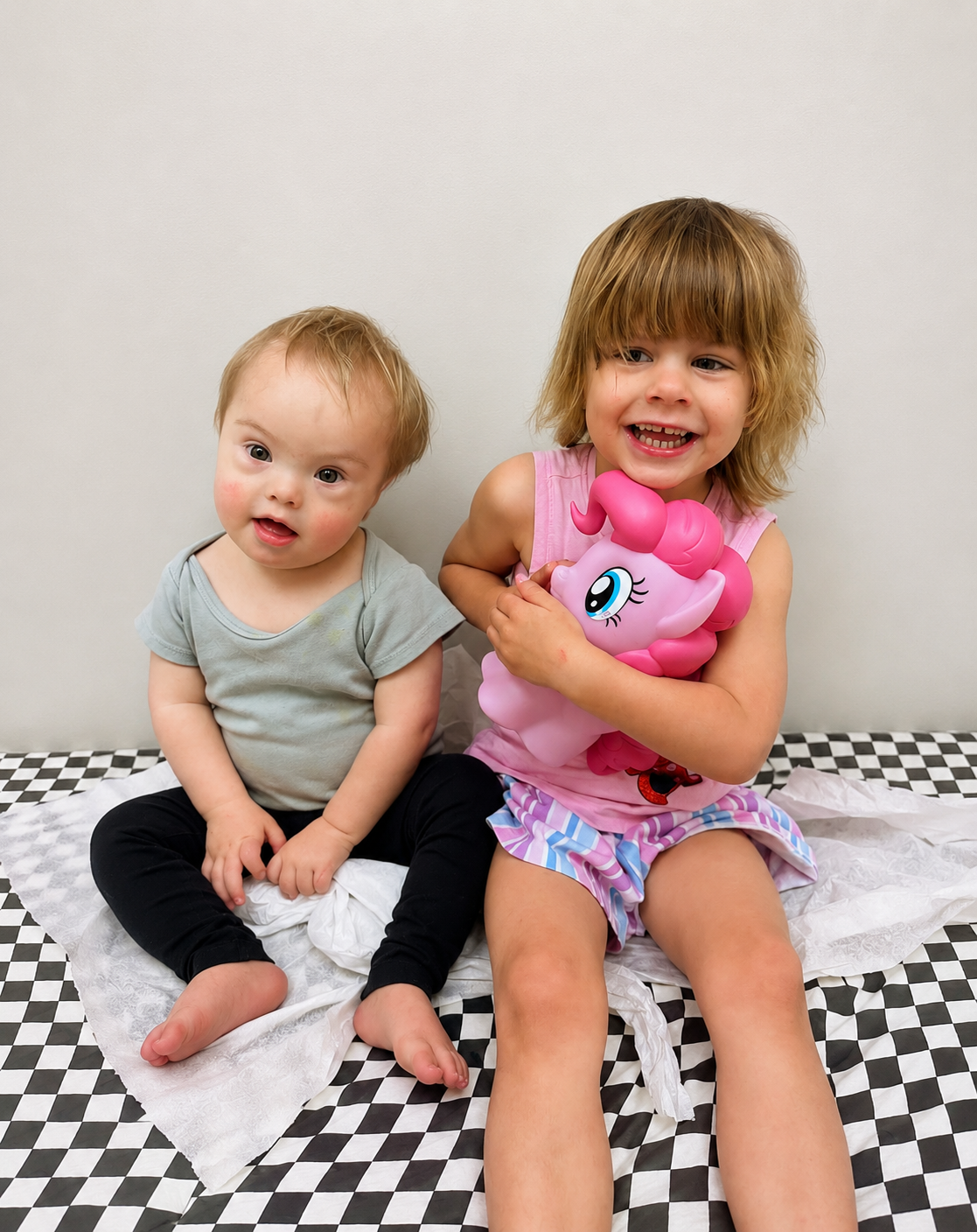
Cade and his older sister, Rowen at the doctors office.
The Protective Instinct
One thing I have noticed in our family—and in many other families—is how a child with Down syndrome often shapes the values of their siblings.
My children have become exceptionally sensitive to teasing, bullying, and exclusion.
They take it personally.
Not because they have been taught to.
Because they know someone they love who is different.
When they see someone being mocked or left out because of a disability, it feels wrong to them.
They become advocates naturally.
Protectors naturally.
Not because anyone told them to be.
But because they understand something many people do not.
They understand that a diagnosis tells you very little about a person's worth.
When my children look at Cade, they do not see a disability.
They see their brother.
The little boy who makes them laugh.
The little boy who follows them around the house.
The little boy who steals their snacks.
The little boy they adore.
That perspective changes people.
What Families Often Discover
One of the most surprising things I discovered after entering the Down syndrome community was how close many families are.
At first, I assumed that closeness came from hardship.
I assumed people bonded because life was difficult.
I was wrong.
What I found instead was something much more powerful.
Families were bonded by love.
By admiration.
By shared experiences.
By a deep awareness that the people they loved were often misunderstood by the world around them.
Many parents describe becoming advocates when they never imagined they would.
Many siblings become lifelong champions for inclusion and acceptance.
Many families describe a shift in perspective—a greater focus on kindness, compassion, and what truly matters.
The Research on Siblings
Researchers studying sibling relationships in families that include a person with Down syndrome have found something remarkable.
Many siblings report:
Strong emotional bonds
Positive family relationships
Increased empathy
Greater acceptance of differences
Pride in their sibling
Personal growth resulting from the relationship
While every family is unique and challenges certainly exist, the stereotype that siblings are universally burdened by their brother or sister with Down syndrome is not supported by much of the research.
In fact, many siblings describe the relationship as one of the most meaningful in their lives.
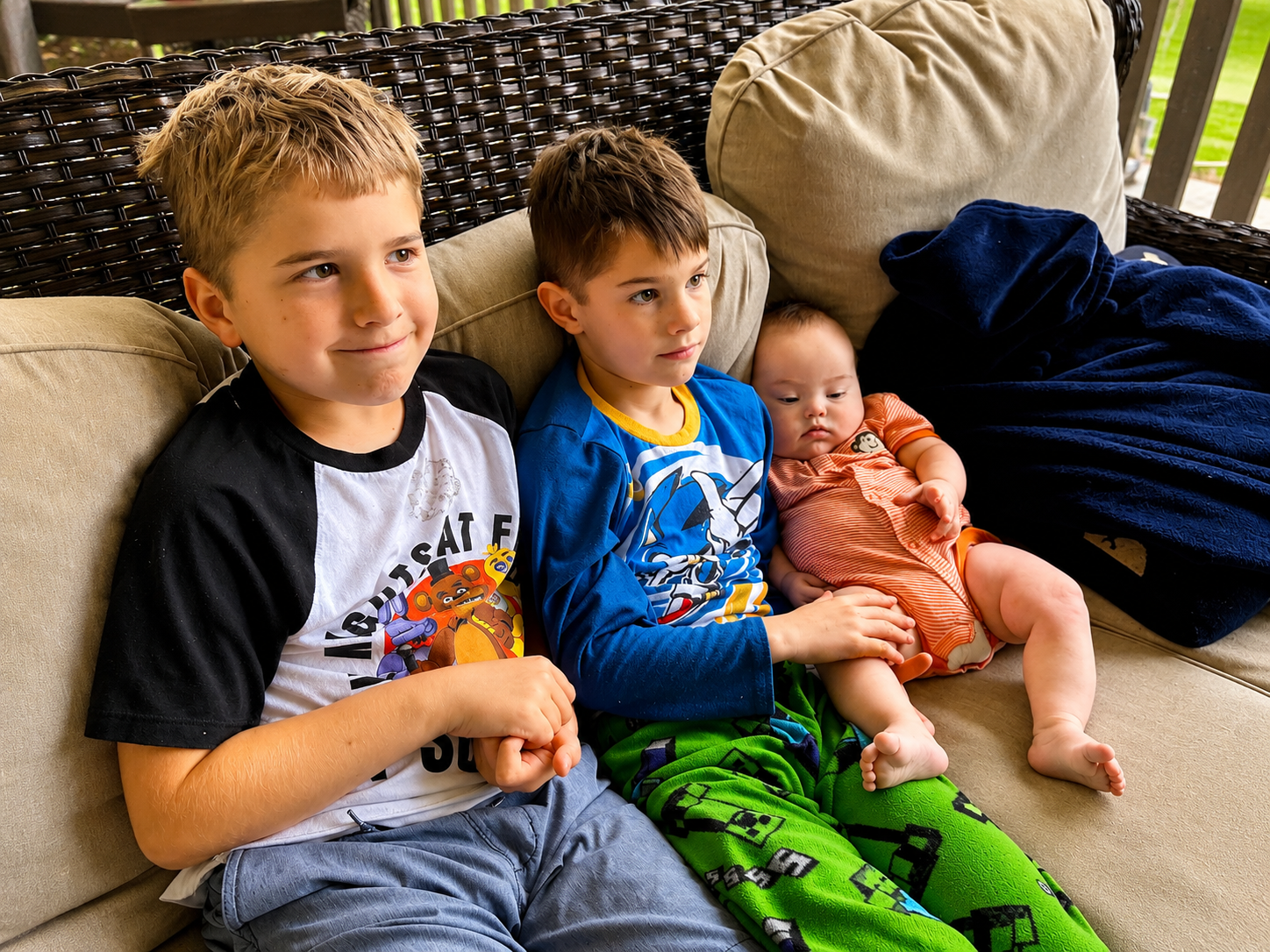
Cade with his two older brothers.
The Stories We Tell After Loss
Perhaps the most powerful evidence comes from something I have observed repeatedly in the Down syndrome community.
When a person with Down syndrome passes away, their family shares stories.
Especially siblings.
The grief is profound.
The loss is profound.
And what stands out to me is what those siblings choose to talk about.
They share memories.
Accomplishments.
Funny moments.
Adventures.
Inside jokes.
Acts of kindness.
They celebrate the unique person their sibling was.
I have never once seen a sibling say they were relieved of a burden.
What I see instead is gratitude.
Love.
And an overwhelming recognition of how much that person shaped their life.
Rethinking the Word
Perhaps the problem is not that families underestimate the challenges.
Perhaps the problem is that they overestimate the burdens and underestimate the gifts.
Every family carries burdens.
Illness.
Financial stress.
Loss.
Relationships.
Unexpected hardships.
These are part of being human.
Down syndrome does not have a monopoly on challenge.
But challenge alone is never the full story.
Because relationships are not measured only by what they require from us.
They are measured by what they give us.
The laughter.
The connection.
The lessons.
The perspective.
The love.
What I Wish Families Knew
If you are reading this after a diagnosis and worrying about your other children, I understand.
I worried too.
I spent months wondering what Down syndrome might take away from my family.
What I never considered was what it might add.
For my children, it has added compassion.
Empathy.
Protectiveness.
Perspective.
Advocacy.
And one of the most meaningful relationships of their lives.
The word burden asks only one question:
"What will this child require from us?"
But perhaps the better question is:
"What might this child bring into our lives?"
Because in our family, the answer has been far more than I ever imagined.
Note from 1st First Voice Project:
Are you currently in the “The Space Between” and have received a Down Syndrome prenatal test result or diagnosis? If so, The 1st Voice Project would love to hear your thoughts, concerns, and experiences. Please take a few minutes to complete our survey. If you need support, we are here for you.
Related articles:
10 Things I Wish Someone Told Me when I was pregnant
The Space Between: What Happens Between Diagnosis and Decision?
What I Expected vs. What I Experienced Raising a Child with Down Syndrome
Why Parents Remember the Diagnosis Conversation for Years
Outdated Stereotypes That Still Shape Modern Down Syndrome Diagnoses
The Down Syndrome Generation No One Predicted
What happens after a positive NIPT test?
Help other families find balanced information by sharing this article.